
Malaria in Tanzania: What Travelers Need to Know
Quick Summary
- Malaria is present in Tanzania but easily managed with the right precautions.
- Most travelers complete their trips without any issues.
- Speak to a doctor about antimalarial medication at least 4 weeks before you travel.
- Basic bite prevention goes a long way, long sleeves at dusk, DEET repellent, mosquito net.
- If you develop a fever within a month of returning home, mention Tanzania to your doctor
The honest picture
Malaria exists in Tanzania, and most travel websites will make it sound terrifying. The reality is that millions of people live and travel here every year without issue. With basic precautions in place, the risk to a well-prepared traveler is low.
What to do before you travel
Speak to a doctor or travel health clinic before your trip. They will recommend an antimalarial medication based on your health history and itinerary. This is a straightforward conversation and the medication options are widely available. Give yourself at least 4 weeks before departure to sort this out.
Basic precautions on the ground
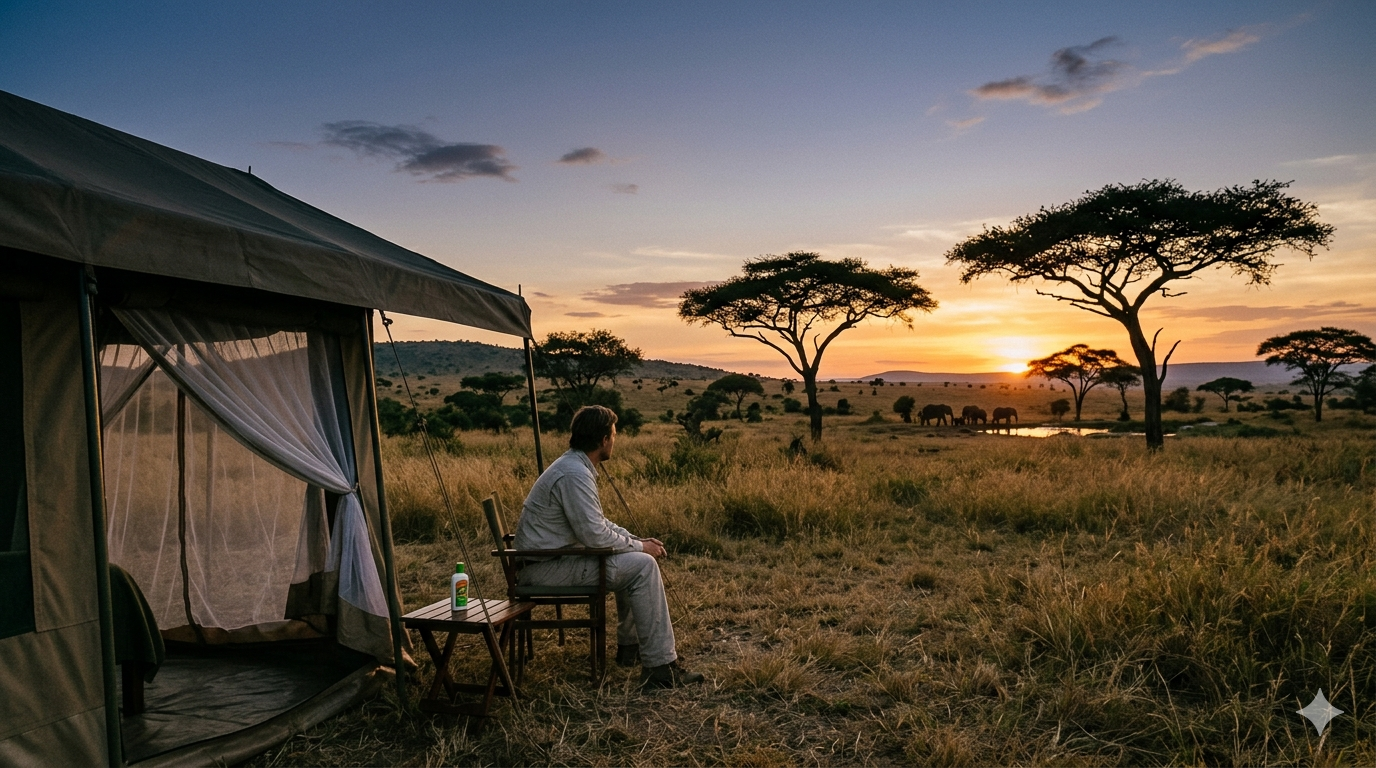
Mosquitoes are most active between dusk and dawn. Wearing long sleeves in the evenings, using a DEET-based repellent and sleeping under a net covers most of your bases. Nets are standard in virtually all lodges and camps we work with.
What about Kilimanjaro?
The higher altitudes of the climb are considered low risk. If your trip includes time in Arusha, on safari or in Zanzibar, those are the portions where precautions matter most.
A note from Dakik
Our team has lived in Tanzania for decades. Malaria is part of life here and it is manageable. We would never send a client into the field without making sure they are properly prepared, and that starts with a conversation with your doctor before you travel.