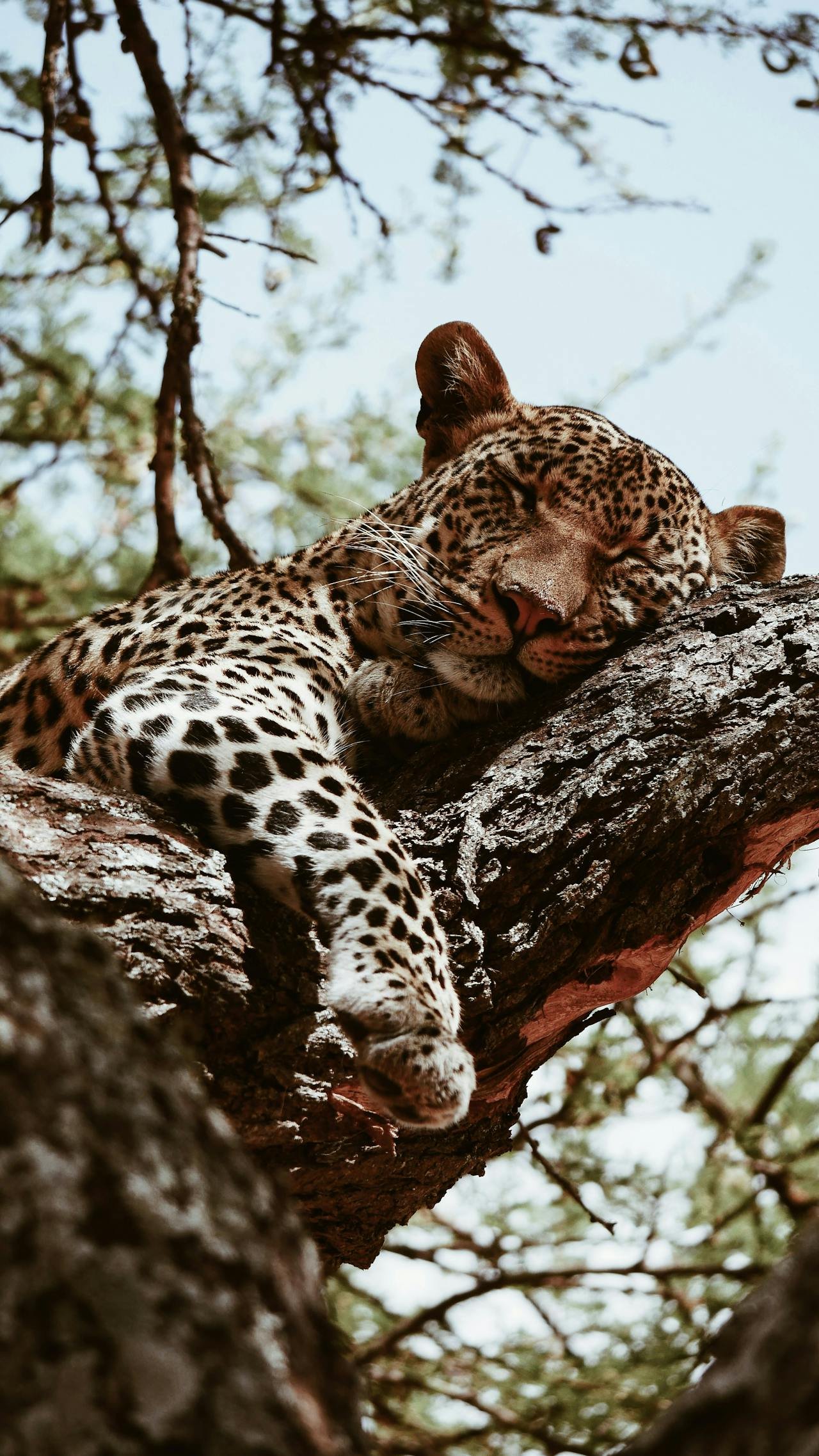
Experience Tarangire, Serengeti and Ngorongoro
Tanzania protects more wilderness than nearly any other nation in Africa, creating an unparalleled tapestry of untouched landscapes that stretch across the continent’s most diverse ecosystems. Here the terrain unfolds in dramatic shifts — from vast open plains that shimmer under endless skies to thick, ancient forests alive with hidden life, then onward to remote river systems that carve wild, winding paths through the land. The wildlife moves in perfect harmony with these changes, offering moments of raw beauty and wonder you simply won’t find anywhere else on the continent.
At Dakik Expeditions we design every safari around the people who will live it. With deep, first-hand knowledge of these parks in every season, we know exactly which areas reward the extra journey and precisely when to be in each place for the most rewarding encounters. You will never receive a standard, off-the-shelf itinerary. You will receive the one that was created for you — thoughtfully personalized so every day delivers the experience you truly came for.
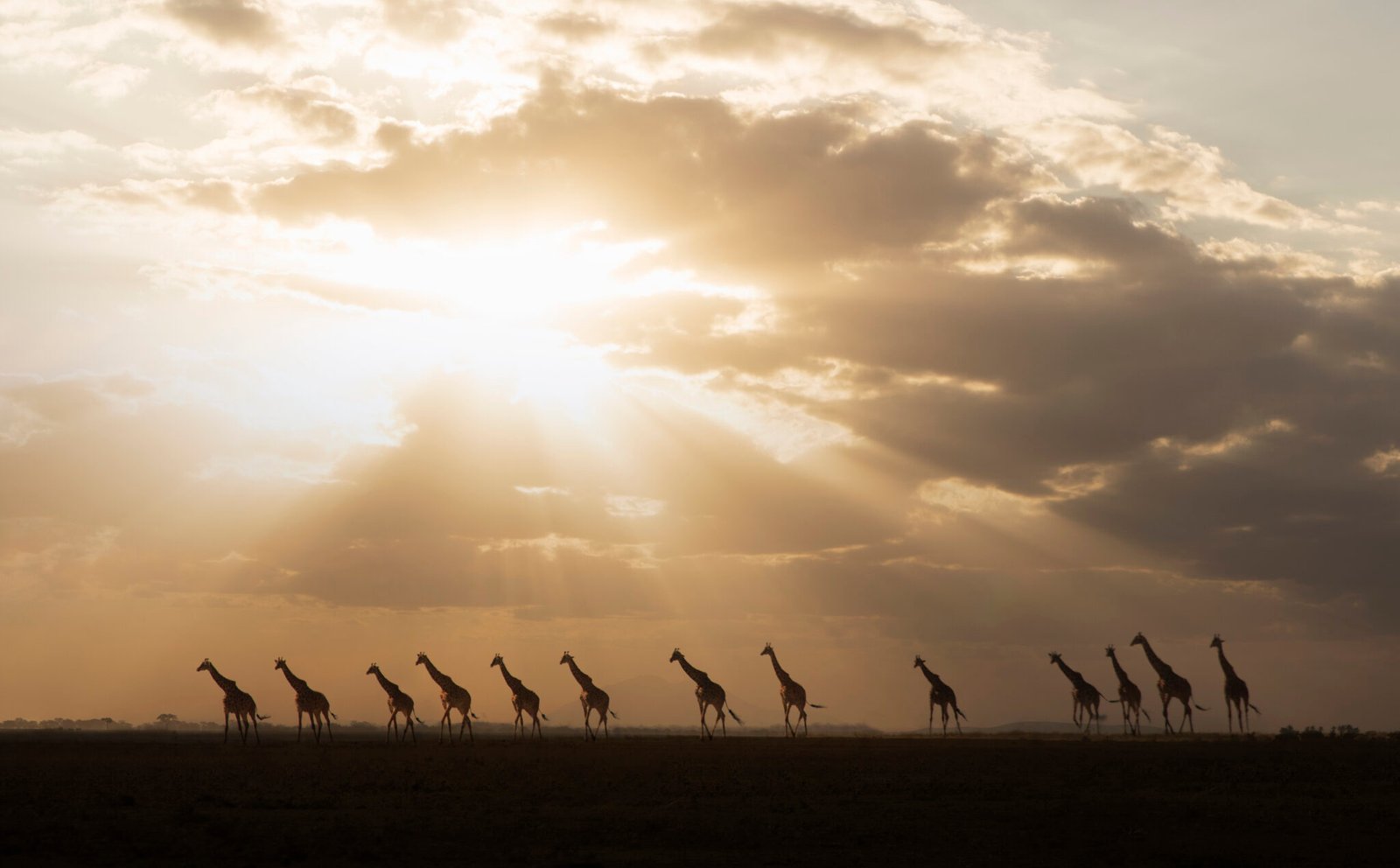
Safari with Dakik Expeditions
Dakik Expeditions offers bespoke safari experiences across Tanzania’s most iconic national parks. Designed and operated by a team of experienced locals, our safaris deliver exceptional comfort while maintaining a deep respect for the land, wildlife, as well as local communities.
Whether it’s a private game drive, or a stay at a handpicked luxurious lodge, every detail of your safari trip is managed to ensure an elevated journey, maintaining an authentic connection to the land.
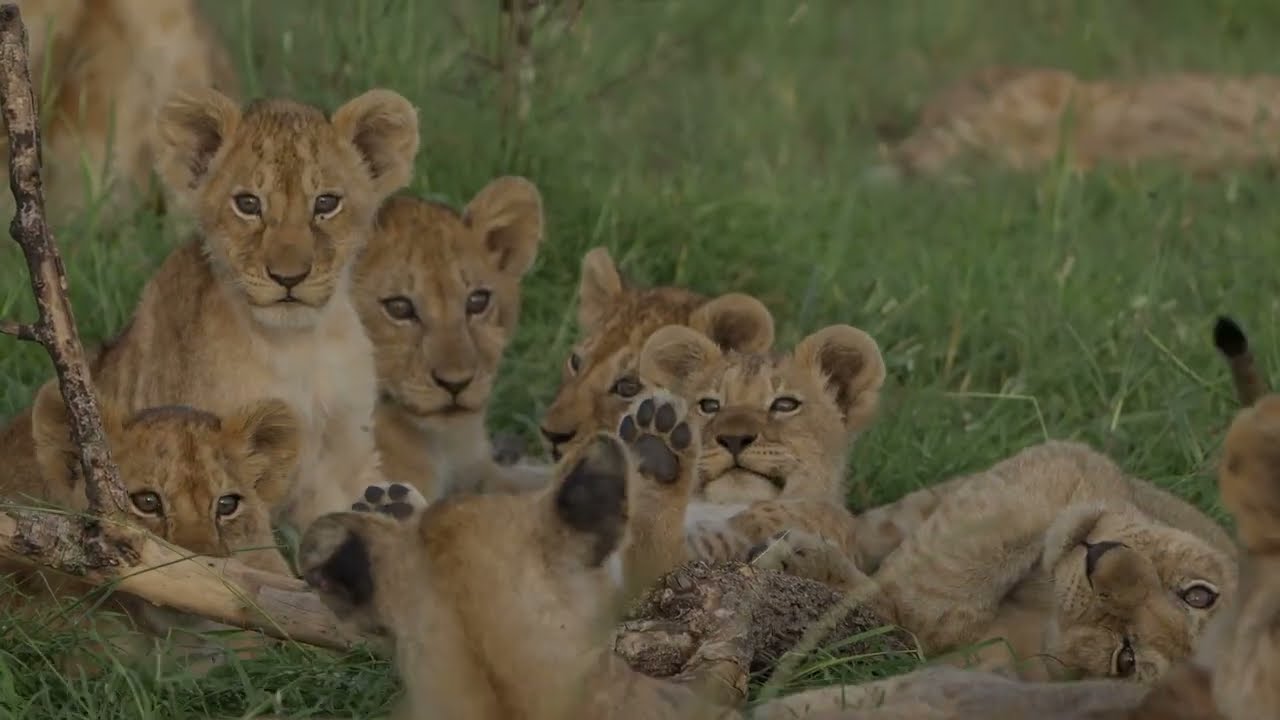
Your Safari, made simple: From first click to first sighting!
Planning a safari should be as straightforward as the trip itself. Here is what the process looks like with us Dakik Expeditions:
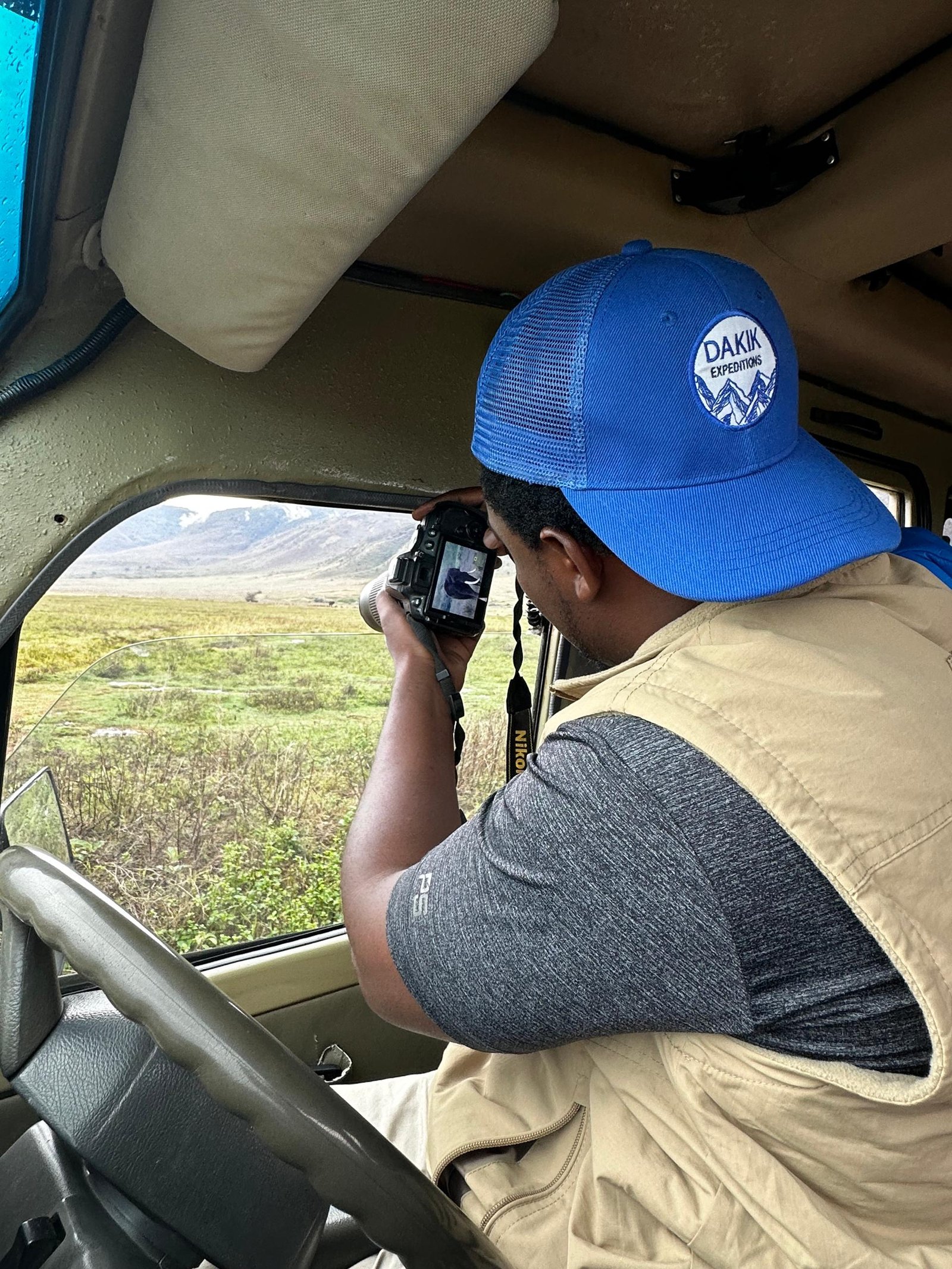
Luxury with Purpose, Local at Heart.
Tanzania Wildlife Highlights
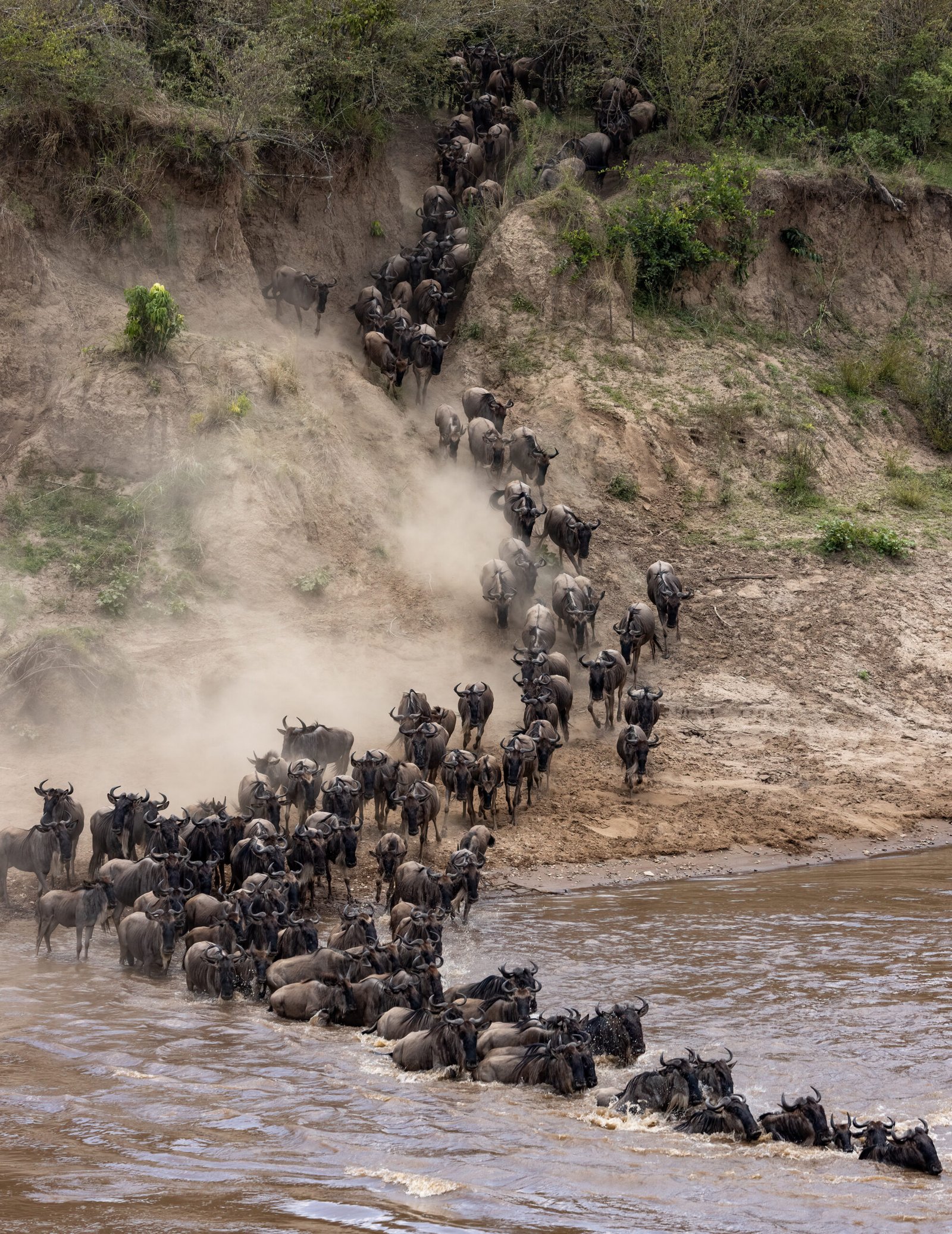
The Great Migration
Over a million wildebeest move in a continuous loop across the Serengeti, following the rain and the grass. River crossings are the most dramatic moment, as herds plunge into crocodile-filled water.
Best time: July to October
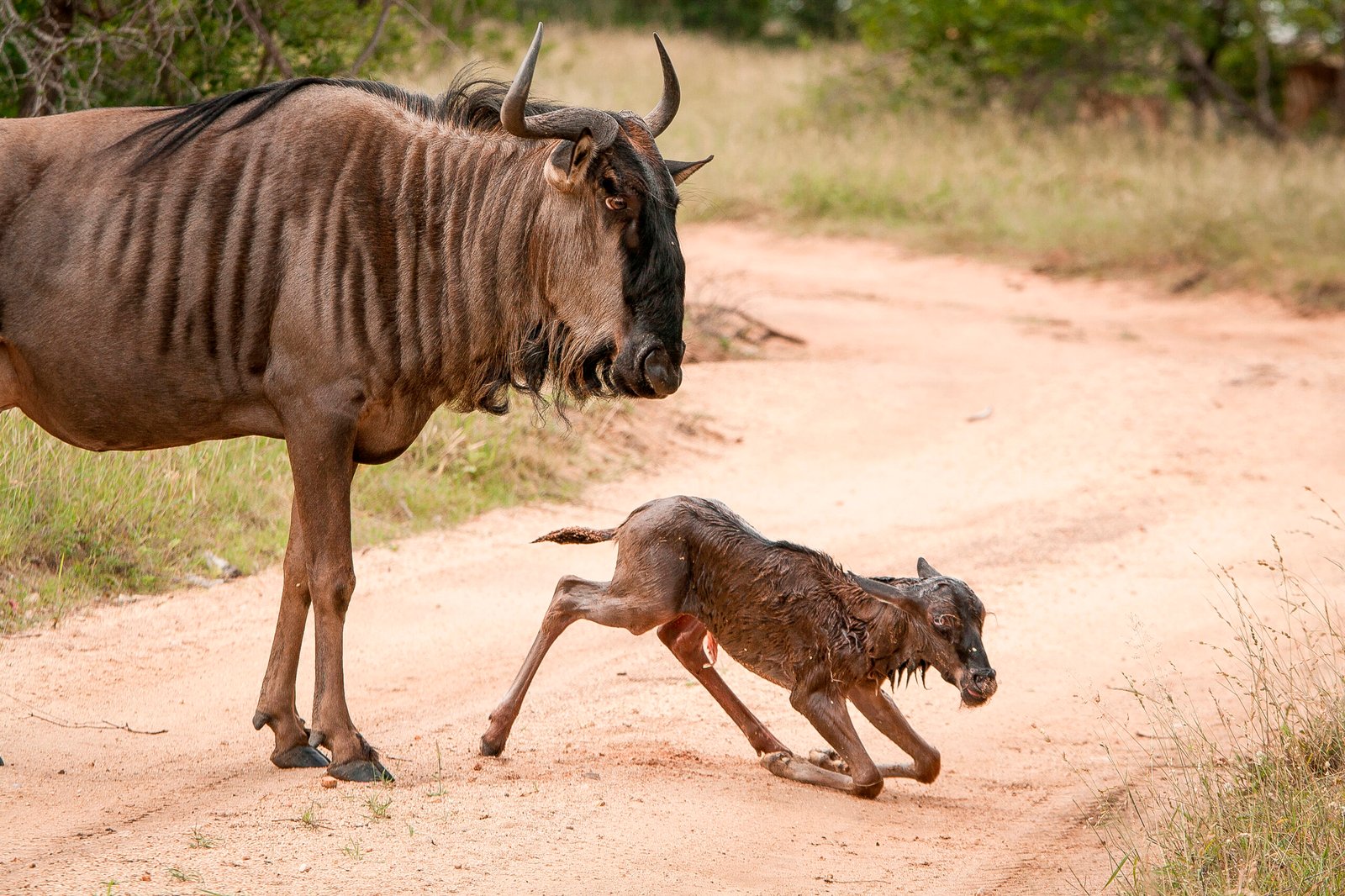
Calving Season
Hundreds of thousands of wildebeest calves are born on the southern Serengeti plains in just a few weeks. It draws every predator in the area and the game viewing is as intense as it gets.
Best time: January to February
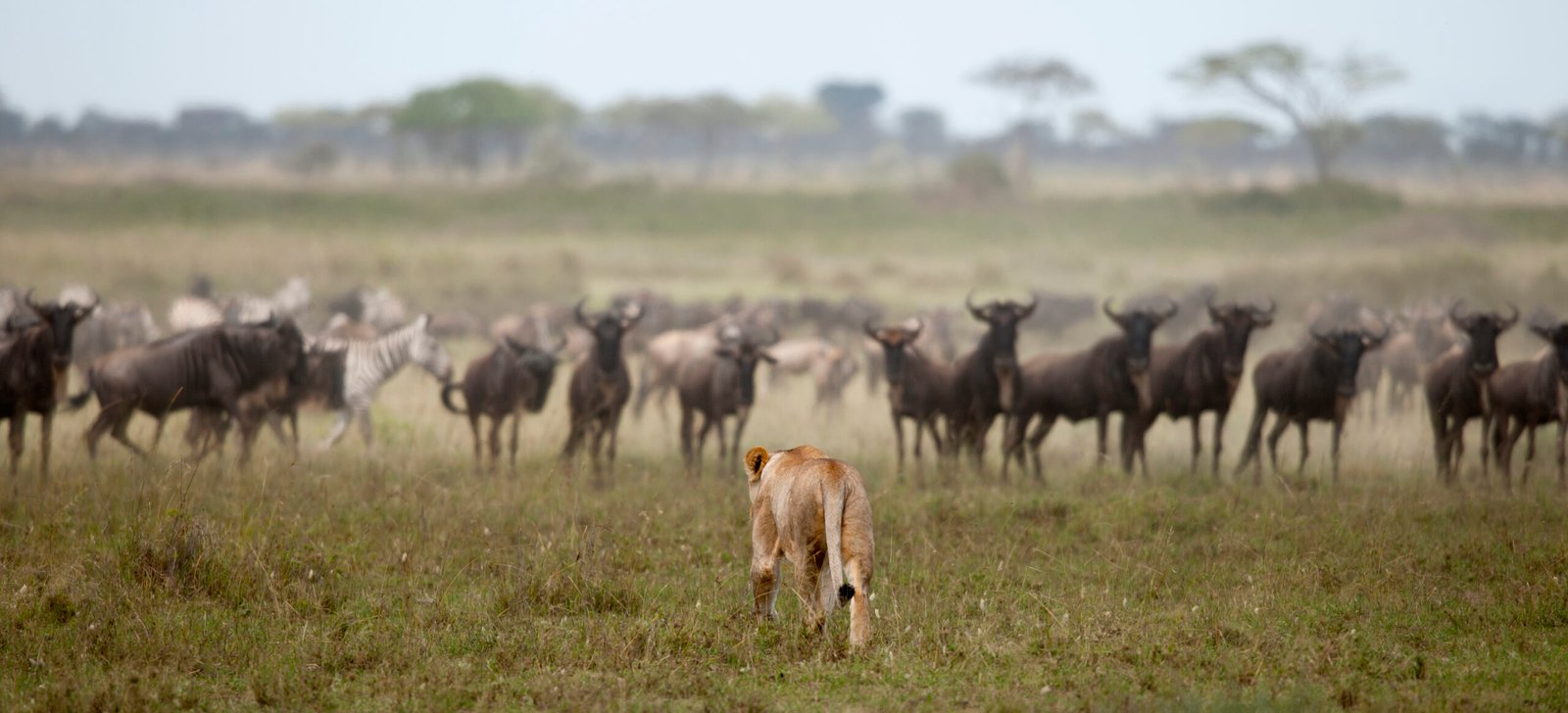
Predator Activity
Tanzania has some of the highest concentrations of lion, leopard, cheetah and wild dog on the continent. The dry season is when sightings peak as animals gather around shrinking water sources.
Best time: June to October
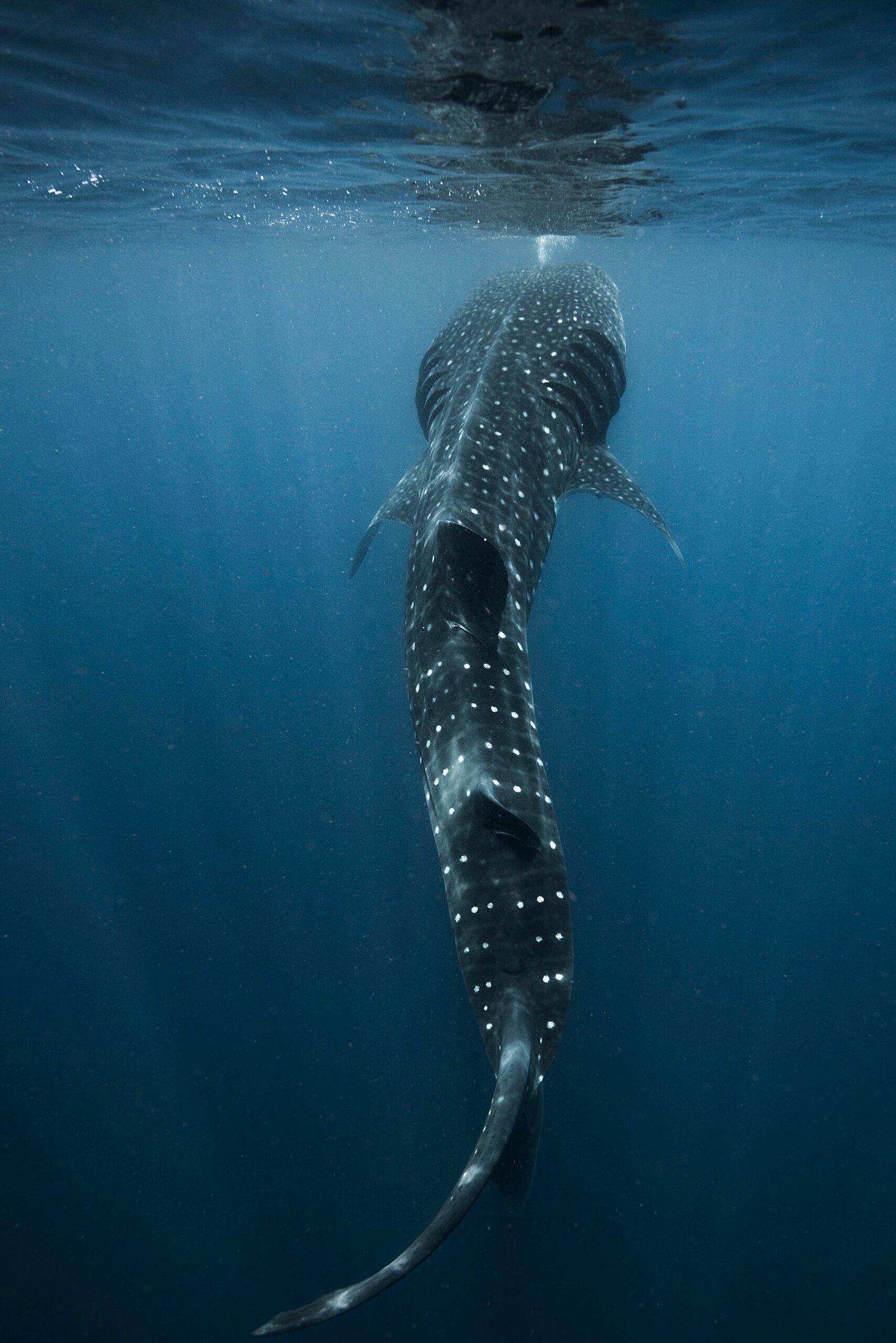
Marine Wildlife
Humpback whales, whale sharks, dolphins and sea turtles all move through Tanzania’s coastal waters. Mafia Island is one of the best places in the world to swim with whale sharks.
Best time: October to March
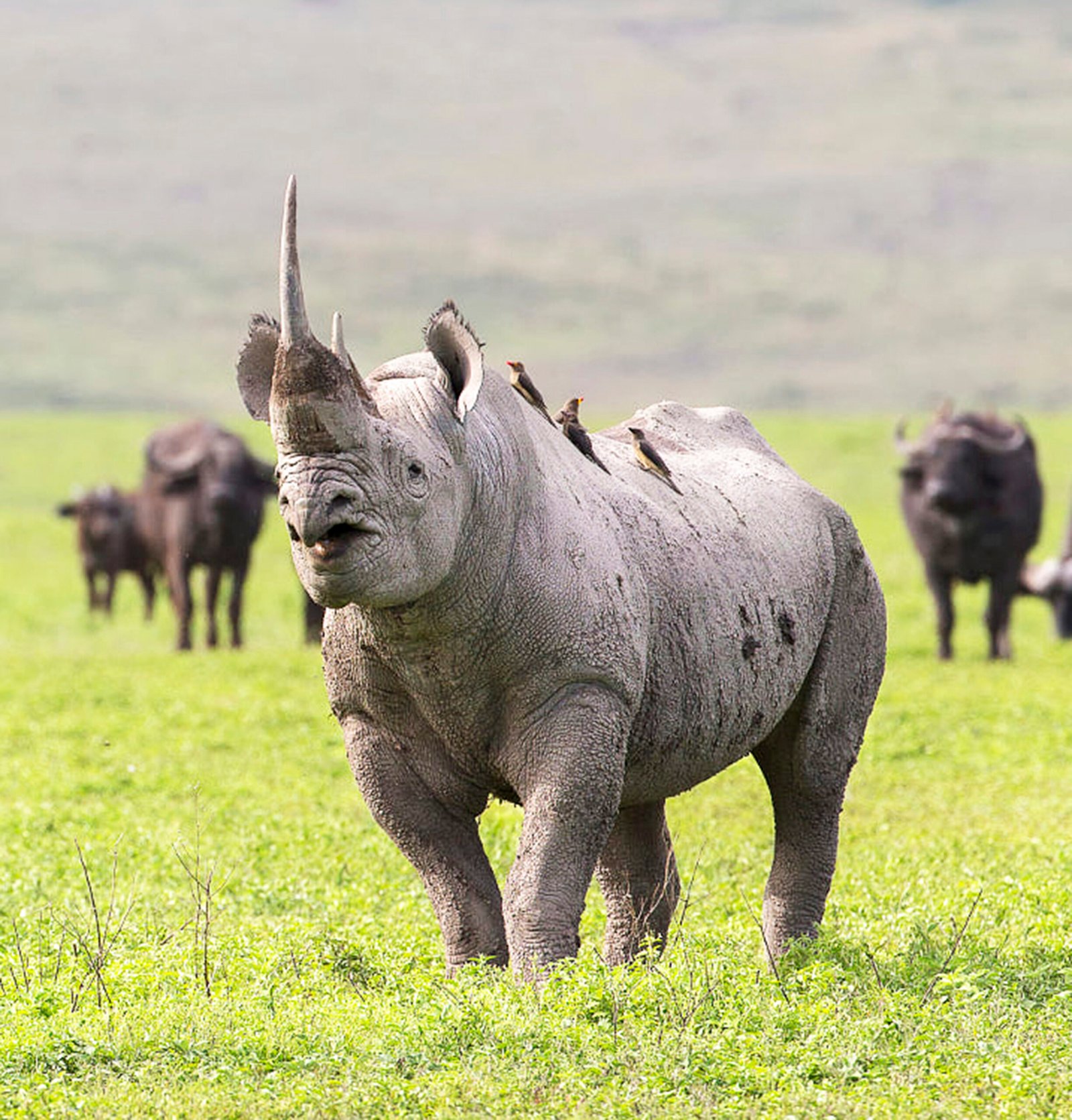
The Big Five
Lion, leopard, elephant, buffalo and rhino. Tanzania is one of the few countries where you can realistically see all five in a single trip.
Best time: Year Round
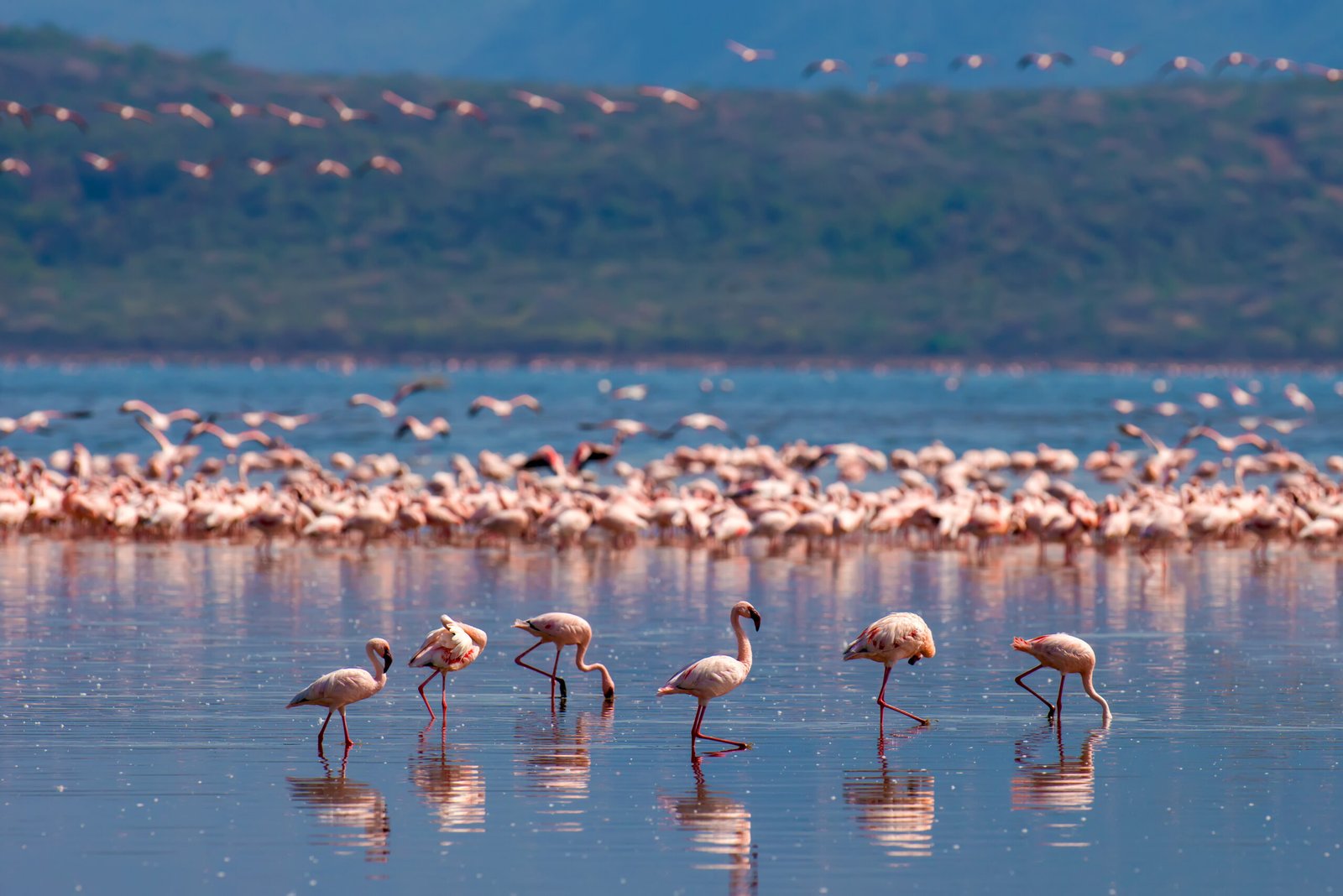
Bird Migration
Tanzania receives millions of migratory birds between November and April. The Rift Valley lakes attract vast flamingo flocks alongside hundreds of migrant species from Europe and beyond.
Best time: November to April
Already planning a safari? Add Zanzibar.
Why not enjoy white sand, warm water and some of the best seafood in East Africa, right at the end of your trip?
Tanzania Safari FAQs