Machame Route

Most Popular  ·  “The Whiskey Route”

  • 6-7 Days
  • 62 Kilometers
  • Success Rate: High
  • Moderate to Challenging

Varied and dramatic terrain

Machame takes you through more landscapes than almost any other route. Each day looks different from the last.

The Barranco Wall

The morning scramble up the Barranco Wall is the most memorable section of the climb, and favorite part to most climbers.

Strong acclimatisation profile

The climb-high sleep-low structure on day four is one of the most effective acclimatisation strategies on the mountain.

Summit views from the south

Giving you a different perspective on the glaciers and crater rim than routes coming from the north or east.

What makes Machame route a popular choice?

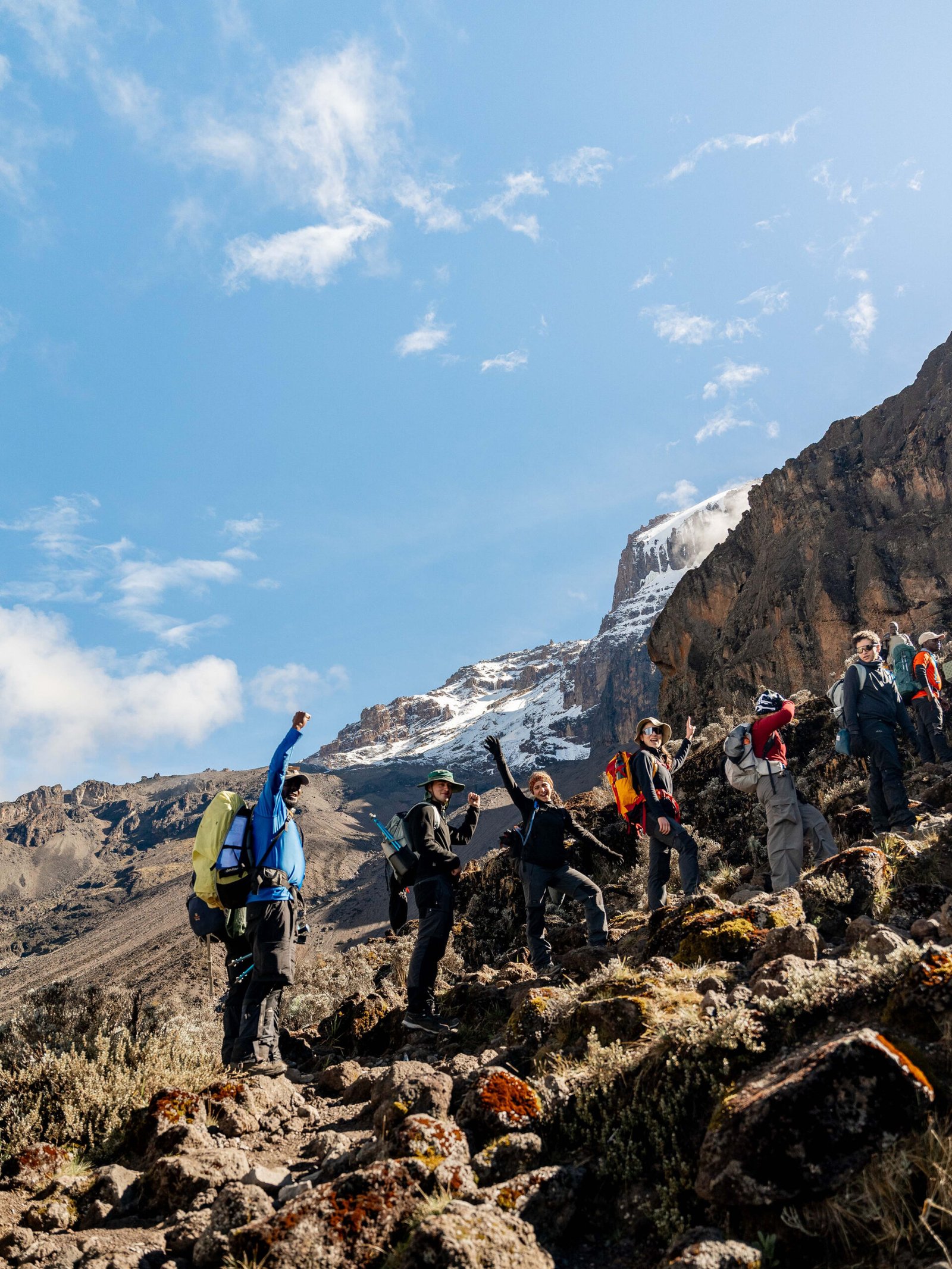
Machame is the most popular route on Kilimanjaro, and for good reason. It is scenic, varied, and well-paced for acclimatisation. The trail takes you through rainforest, across open moorland, and up dramatic ridgelines before your final push to the summit.

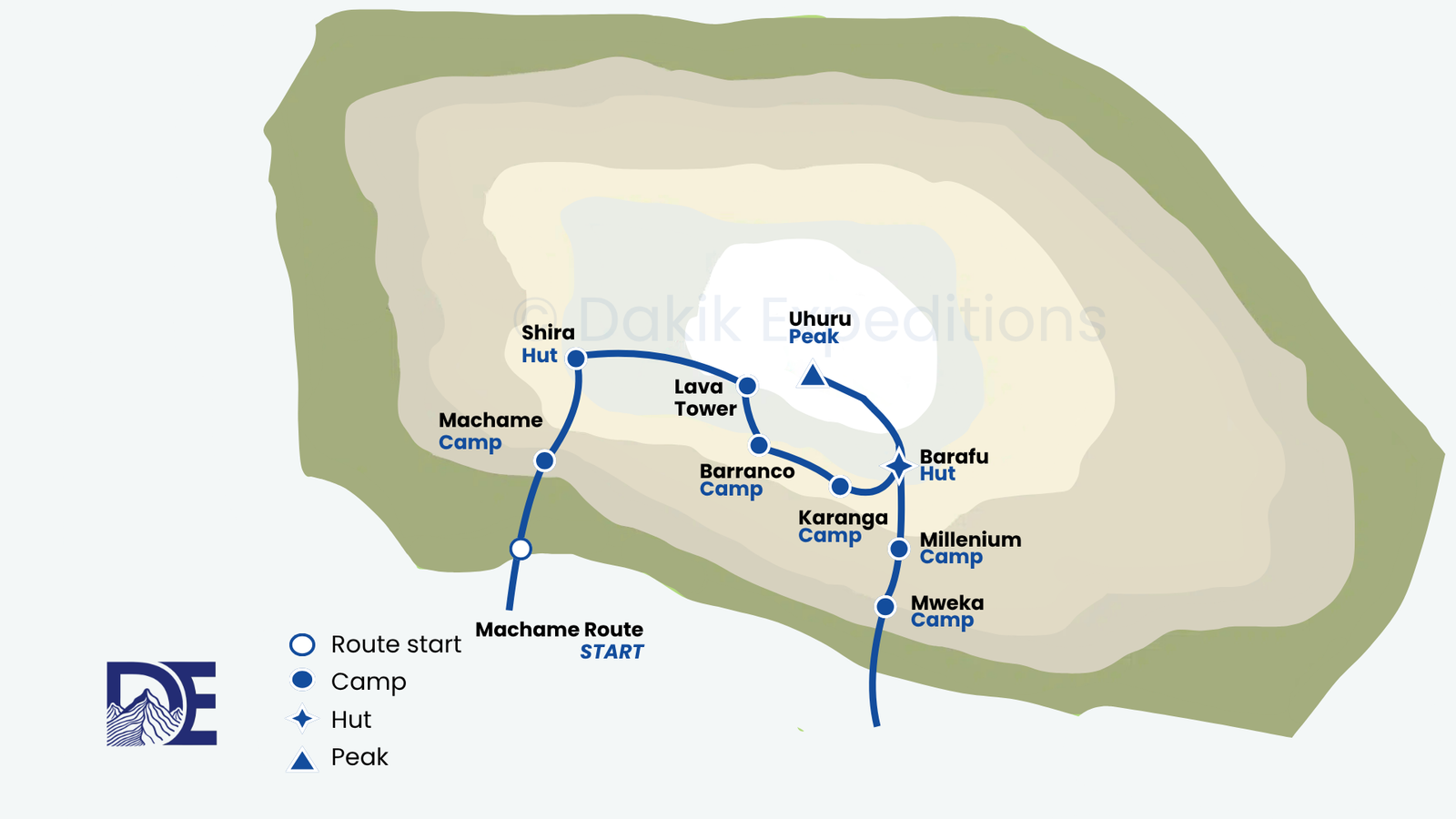
What makes Machame work is the climb-high, sleep-low principle built into the itinerary. On day four you ascend to Lava Tower at 4,630m before dropping back down to sleep at Barranco — your body gains altitude, then recovers. That rhythm is one of the reasons Machame has a strong summit success rate.

It is a more physical route than some. The Barranco Wall on day five requires using your hands and feet, and the overall terrain is rockier and more varied than the gentler paths. Most climbers find this adds to the experience rather than detracting from it.
This is your route if
  • You want a scenic route with varied terrain.
  • You have done some hiking before and want a proper challenge.
  • You prefer a well-trodden path with other climbers around.
  • You want a strong acclimatisation profile without going to 8 days.
  • You are comfortable with some scrambling on rocky sections.

Pricing & What’s Included?

Essential

$ 2,600 per person
  • 3-4 star accommodation in Arusha
  • All meals on the mountain
  • Portable toilet at the camps
  • Professional Tanzanian mountain guides
  • Private porter service
  • Mess tent for eating and resting
  • Four season mountain sleeping tents
  • 2 climbers for every 1 guide
  • Daily water for washing
  • Traditional Swahili and international dining experience
  • Extra comfort features in Elite

Elite

$ 3,400 per person
  • 5 star accommodation in Arusha
  • All meals on the mountain
  • Portable toilet at the camps
  • Professional Tanzanian mountain guides
  • Private porter service
  • Lebanese culinary dining experience
  • Spacious standing expedition tent
  • Mess tent for eating and resting
  • Portable sleeping bed with mattress
  • 1 dedicated guide per climber
  • Hot shower every day on the mountain
  • Portable solar charging station

Your Machame Route Itinerary

Each day on the mountain, clearly laid out.

You enter Kilimanjaro National Park at Machame Gate and walk into dense mountain rainforest. The trail is well-worn and climbs steadily through the trees to Machame Camp.

Duration: 5-7 hours  Elevation: 1,800m to 3,000m

The forest thins and you enter the heath and moorland zone. The views begin to open up and on a clear day you get your first proper look at the summit cone ahead.

Duration: 5-7 hours  Elevation: 3,000m to 3,840m

A shorter day crossing the Shira Plateau toward the base of the Lava Tower. The altitude starts to make itself known here and the pace naturally slows.

Duration: 4-6 hours  Elevation: 3,840m to 3,840m

The most important acclimatisation day. You climb to 4,630m at Lava Tower before descending to camp at Barranco. The drop in altitude before bed helps your body adjust before the summit push.

Duration: 6-8 hours  Elevation: 3,840m to 4,630m to 3,950m

The morning starts with the famous Barranco Wall scramble — steep, hands-on, and entirely achievable. After the wall the trail levels out through a quieter valley toward Karanga.

Duration: 4-6 hours  Elevation: 3,950m to 4,035m

A steady and serious day gaining significant altitude on the way to Barafu Camp. This is your last full night of sleep before the summit attempt. Rest, eat, and get everything ready.

Duration: 5 hours  Elevation: 4,035m to 4,600m

You set off in the early hours, usually around midnight, to reach the summit at sunrise. A long, cold, and slow climb — but when you step onto Uhuru Peak at 5,895m with the sun coming up over Africa, every day before it feels worthwhile.

Duration: 12-14 hours  Elevation: 4,600m to 5,895m to 3,100m

The hard part is done. You descend through the heath and moorland zones to Mweka Gate where the trip officially ends.

Duration: 3-4 hours  Elevation: 3,100m to 1,640m

*optional 7-day version combines days 7-8

Machame Route FAQ

Machame is considered moderate to challenging — more physical than Marangu or Rongai but comparable to Lemosho.

The main differences are the rockier terrain and the Barranco Wall scramble on day five. Neither requires technical skill, but you should be comfortable walking on uneven ground for long days.

Seven days gives your body significantly more time to acclimatise and is always our recommendation for first-time climbers. The extra day on the mountain before summit night makes a real difference at altitude. Six days is possible if your schedule is tight, but seven gives you the best chance of reaching the top.

Machame is the most popular route on Kilimanjaro, which means you will see other groups on the trail — particularly from the Karanga area onward where multiple routes converge. The first two days are quieter. If you prefer a more solitary experience, Lemosho or Rongai may suit you better.

The Barranco Wall is a steep rocky cliff that requires using your hands and feet to climb. It sounds more intimidating than it is — most people find it manageable and genuinely enjoyable with a guide who knows the route. It takes around an hour and the views from the top are some of the best on the entire climb.

The two main seasons are January to March and June to October. July to September offers the clearest skies and most stable conditions but is also the busiest period. January and February are a quieter alternative with good climbing conditions.