Culture

Hosted, not visited.

FIVE COMMUNITIESON THEIR TERMS

THE COMMUNITIES

Five communities,
each on its own ground.

Maasai

MAASAI · LAKE NATRON & NGORONGORO

I / V

Homesteads, herding and life on the open plains

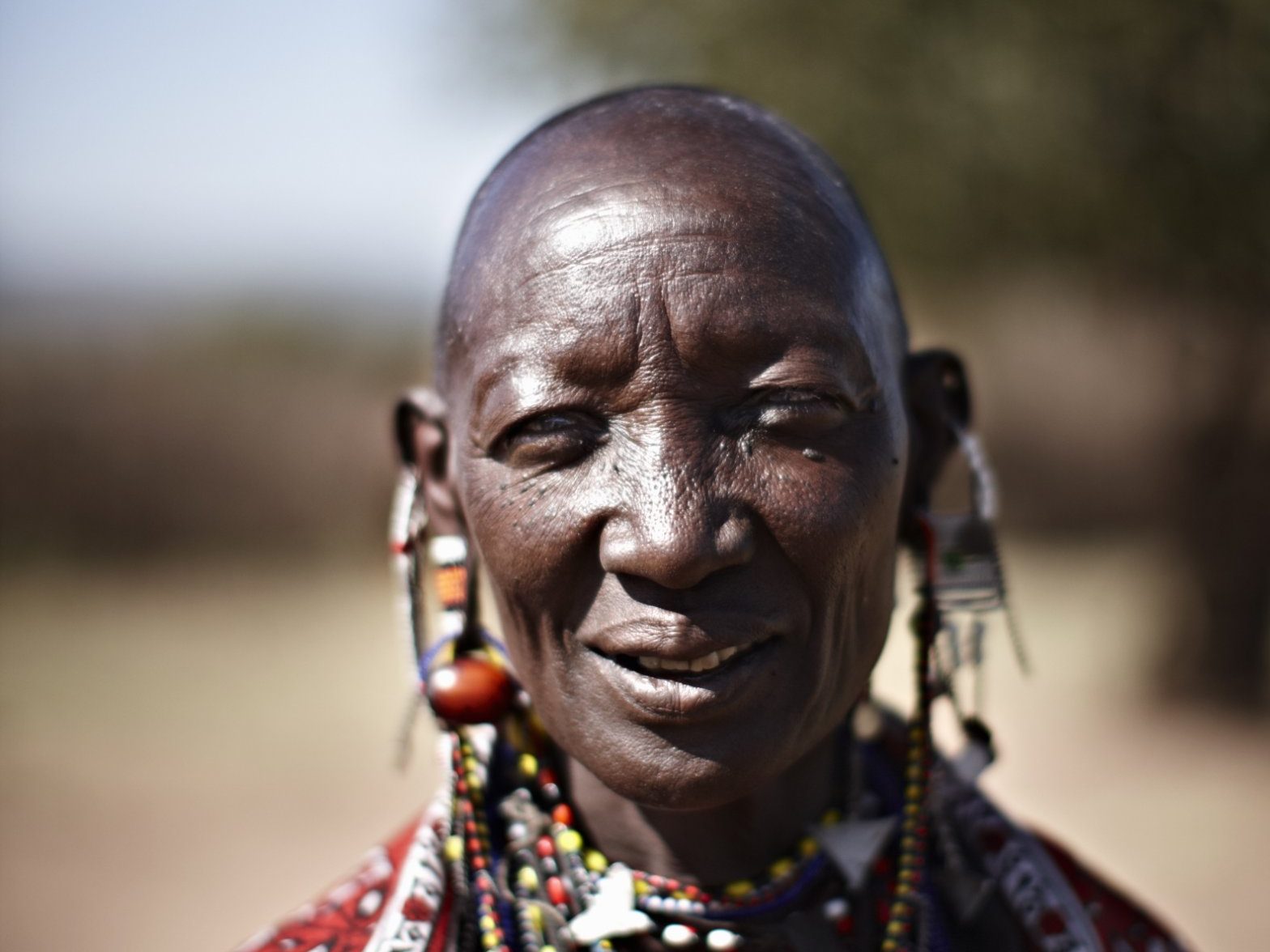
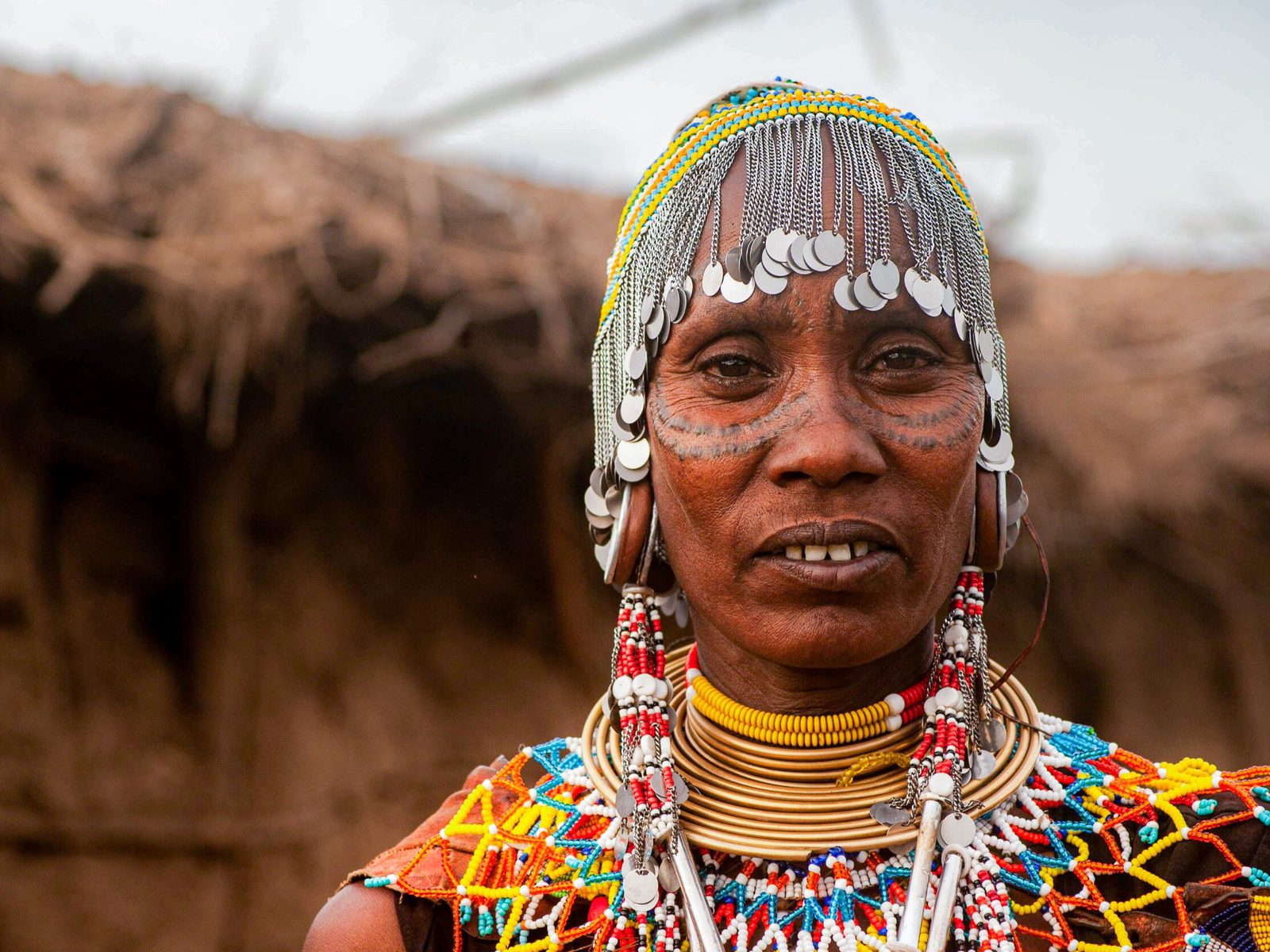
Semi-nomadic herders whose lives still revolve around cattle, moving with the seasons across some of Tanzania’s most famous land. In Ngorongoro they live alongside the wildlife, one of the few places in Africa where people and animals share the same protected ground. You are welcomed into a family’s boma, not a show village.

Maasai

I

Maasai

LAKE NATRON & NGORONGORO

Homesteads, herding and life on the open plains

Semi-nomadic herders whose lives still revolve around cattle, moving with the seasons across some of Tanzania’s most famous land. In Ngorongoro they live alongside the wildlife, one of the few places in Africa where people and animals share the same protected ground. You are welcomed into a family’s boma, not a show village.

Hadzabe

II

Hadzabe

LAKE EYASI

Dawn with one of Africa’s last hunter-gatherer peoples

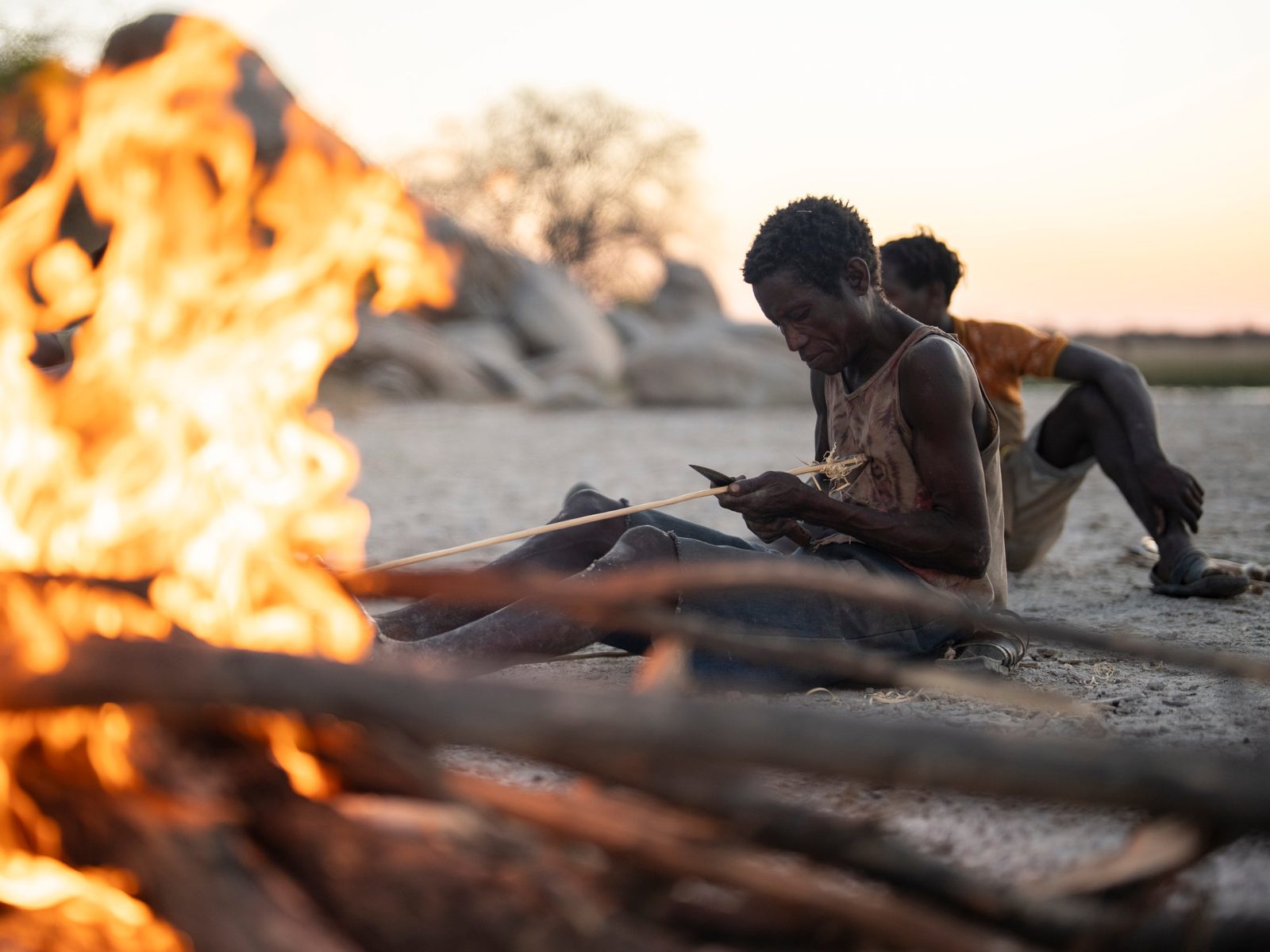
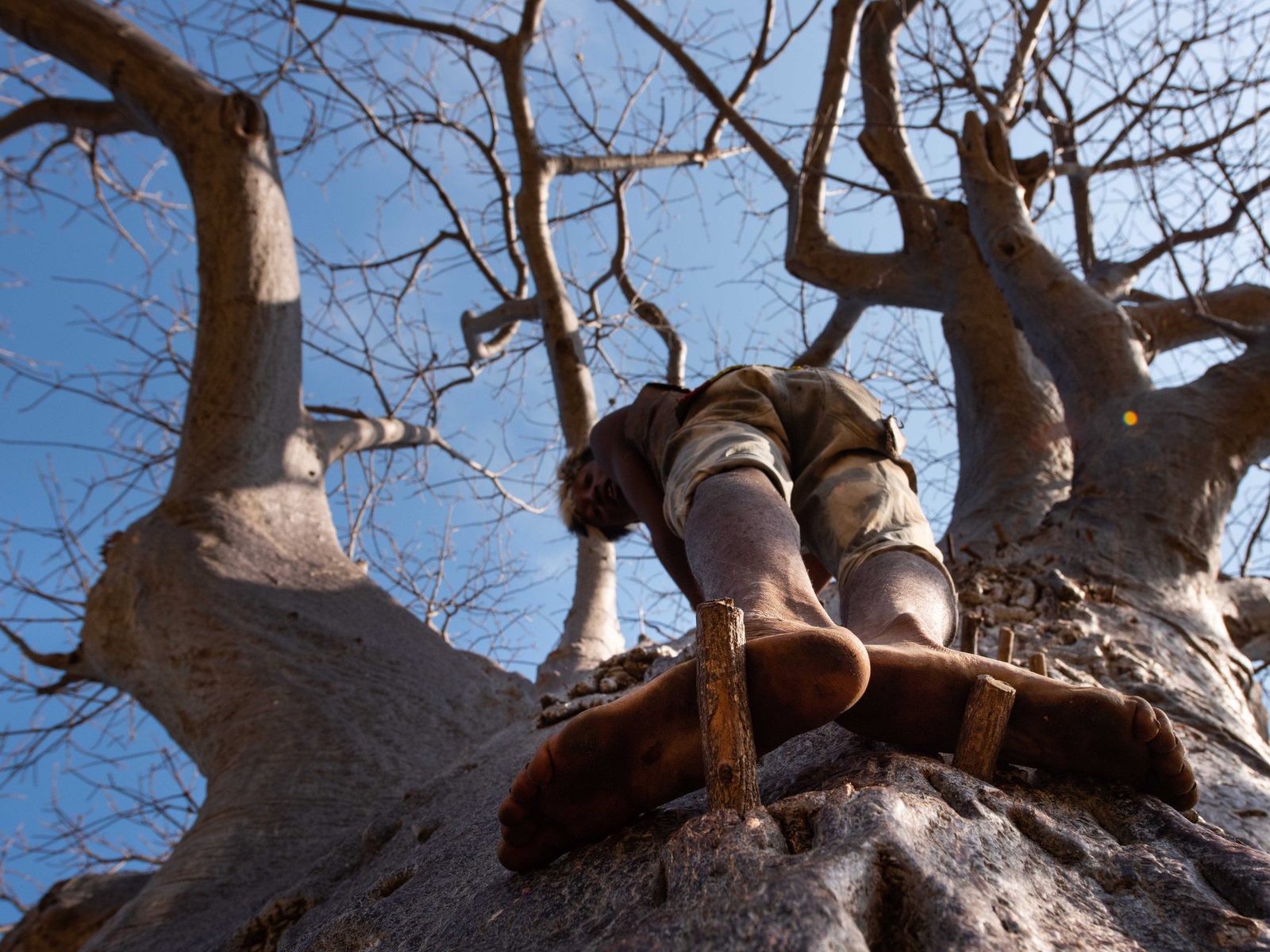
One of the last hunter-gatherer peoples in Africa, numbering only around a thousand. They speak a click language found nowhere else and still live mostly from what they hunt and gather. Mornings start before sunrise, following the men out with bows or the women out for roots and berries.

Datoga

III

Datoga

LAKE EYASI

Blacksmiths shaping metal the way their elders did

Herders and skilled blacksmiths who live near the Hadzabe and trade with them. They melt down scrap metal to forge arrowheads, tools and jewellery, by hand, over open fire. Watching a piece made from start to finish is one of the quieter highlights of the lake.

Sukuma

IV

Sukuma

LAKE VICTORIA

Drums, dance and farming life by the great lake

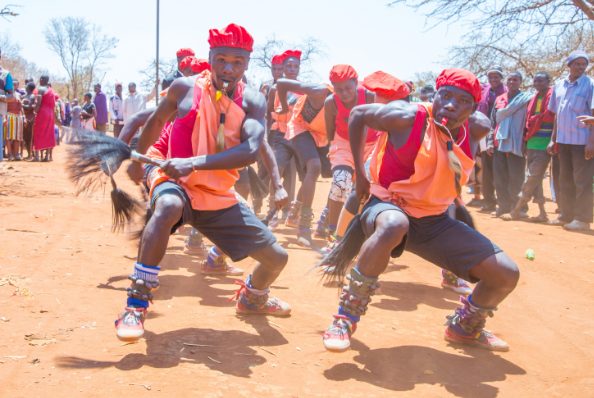
Tanzania’s largest community, farmers and herders on the plains south of Lake Victoria. They are known for their dance societies and drumming, including the famous snake dancers. Far from the safari circuit, it is a side of Tanzania few visitors ever see.

Swahili

V

Swahili

STONE TOWN

Carved doors, spice farms and life along the coast

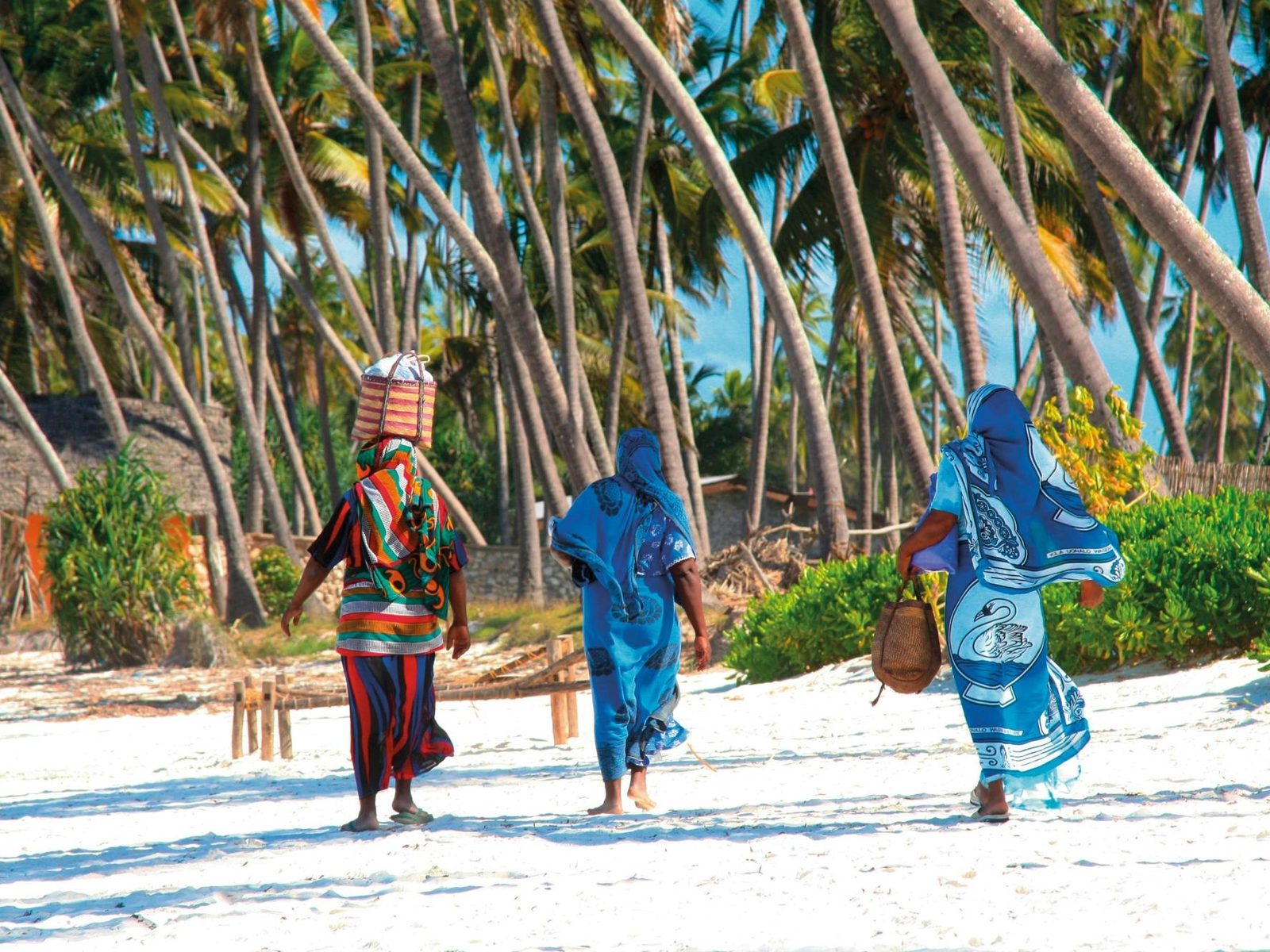
The coastal culture shaped by centuries of trade between Africa, Arabia, Persia and India. You’ll find it in the carved doors, the call to prayer over the rooftops, taarab music and food cooked with spices from the island’s own farms. It is best experienced on foot, with someone who grew up in the alleys.
THE WAY WE VISIT

A visit should leave both sides better off.

Arranged with them

Each visit is planned with the community, at their homes and at their pace, never staged.

Paid directly

The community is paid directly for every visit. The larger share of the cost covers getting there, your guide and a translator.

Small and unhurried

Only your group, with time to sit, ask questions and be asked some in return.

BEFORE YOU GO

Ask before taking photographs
Cover shoulders and knees in villages
Gifts depend on the community, and we’ll suggest what’s welcome

QUESTIONS

The questions everyone has.

Still wondering about something? Message us on WhatsApp

Every visit is arranged with the community itself, at their homes and on their terms. We go out and find them before each visit, and because some communities move with the seasons, it isn’t always the same family. You are hosted as a guest, not shown a performance.
The community is paid directly for every visit. The larger share of the cost covers the logistics of getting there: transport, your guide, and a translator who speaks the community’s language.
Yes, with permission. Your guide will tell you when it is welcome, and it is always fine to ask.
It depends on the community and the visit. Some suit families well, while others involve long walks or very early starts. Tell us your children’s ages and we’ll let you know which visits fit.
Most visits are a half day on the way between parks, or a day before or after a climb. We place it where it makes sense on your route.

Let's talk about your Tanzania.

or WhatsApp