Lemosho Route

One of the most scenic and rewarding routes on the mountain,
with the acclimatization time to actually enjoy it.

  • 8 Days
  • 70 Kilometers
  • Success Rate: High
  • Moderate to Challenging

More time, better odds

Extra acclimatisation days dramatically improve your summit success rate and keep you safer on the mountain.

Wildlife on day one

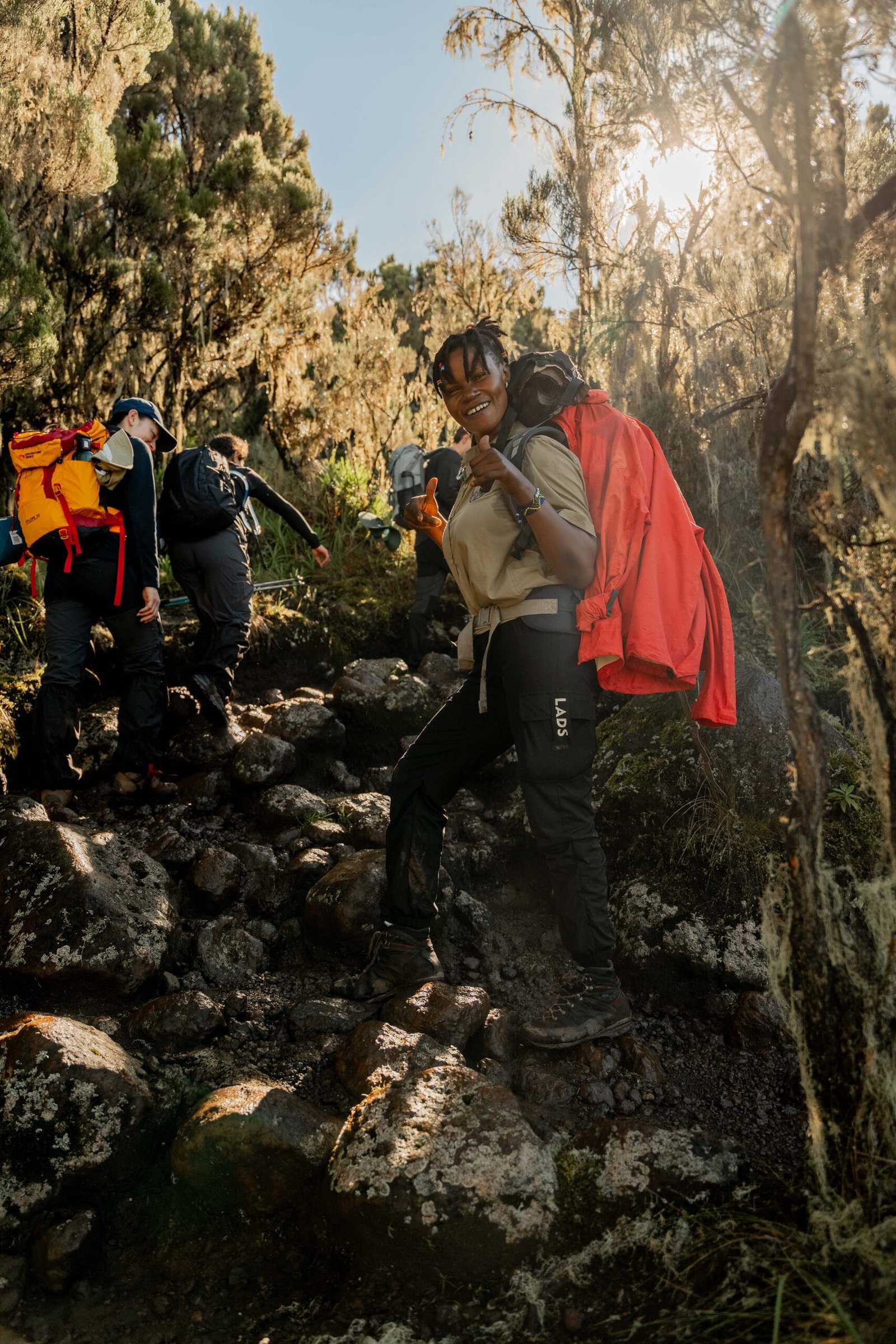
The lower rainforest zone is alive with colobus monkeys, hornbills, and rare flora right from the first steps.

Two Plateau days

Spending two nights on the Shira Plateau lets your body adjust gradually before the final high-altitude push.

Glaciers before summit

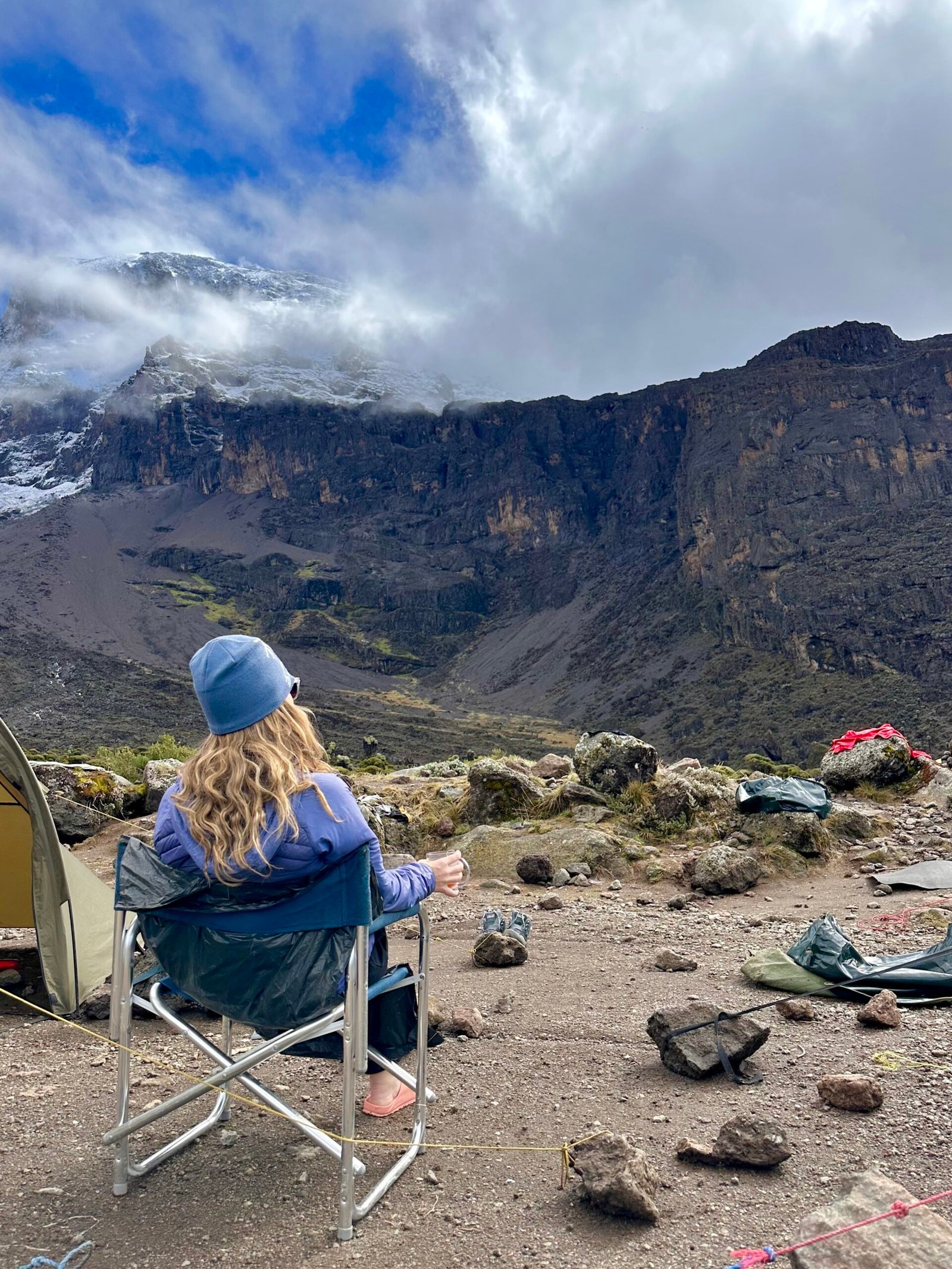
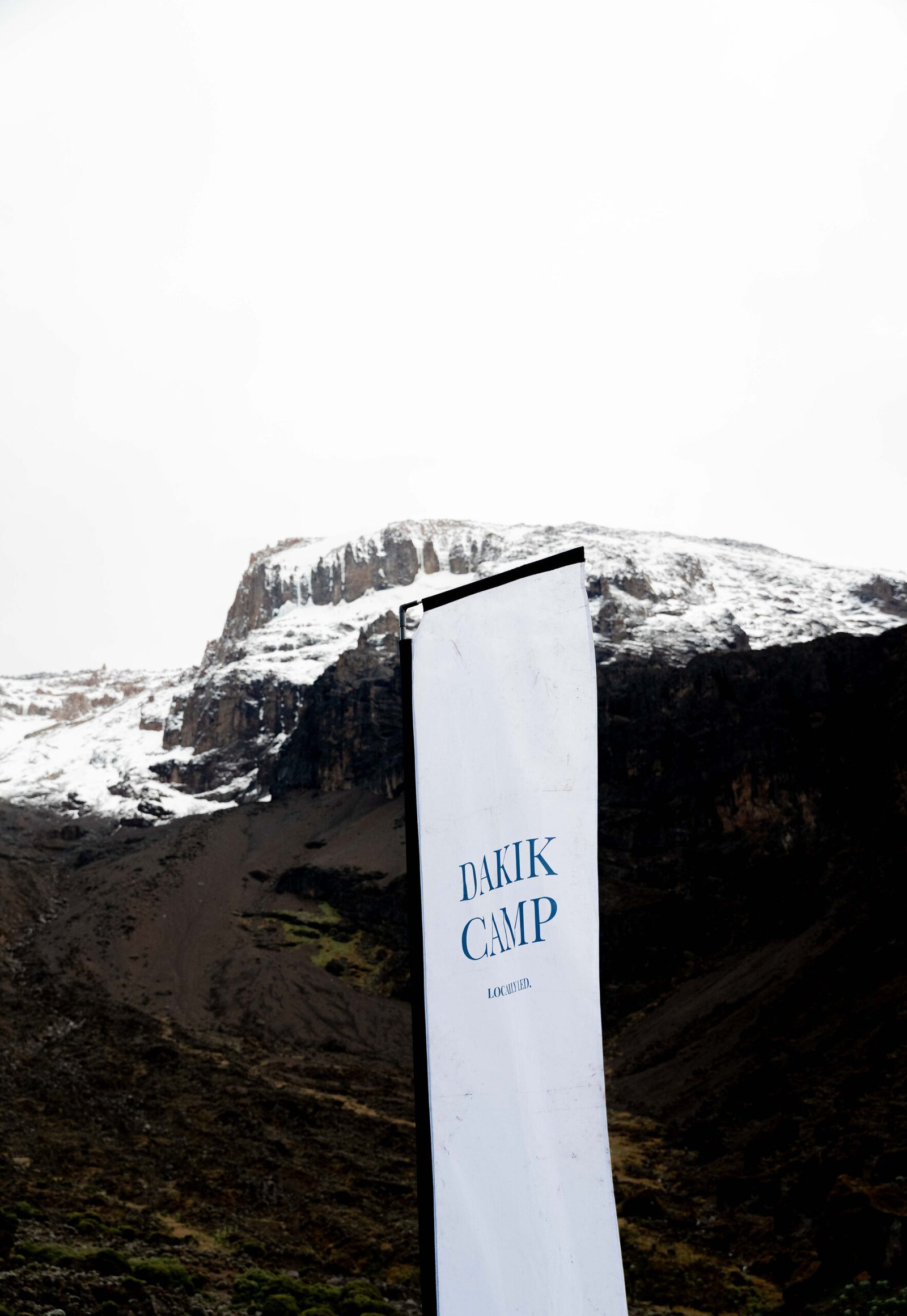
Witness the ancient glaciers of Kilimanjaro up close — a breathtaking reward before you reach Uhuru Peak.

Why is Lemosho route worth the extra days?

Lemosho is the longest route up Kilimanjaro and that is exactly what makes it special. While shorter routes rush you up the mountain, Lemosho gives your body the time it needs to adjust to the altitude properly, which makes a real difference when you are standing at 5,895 metres.

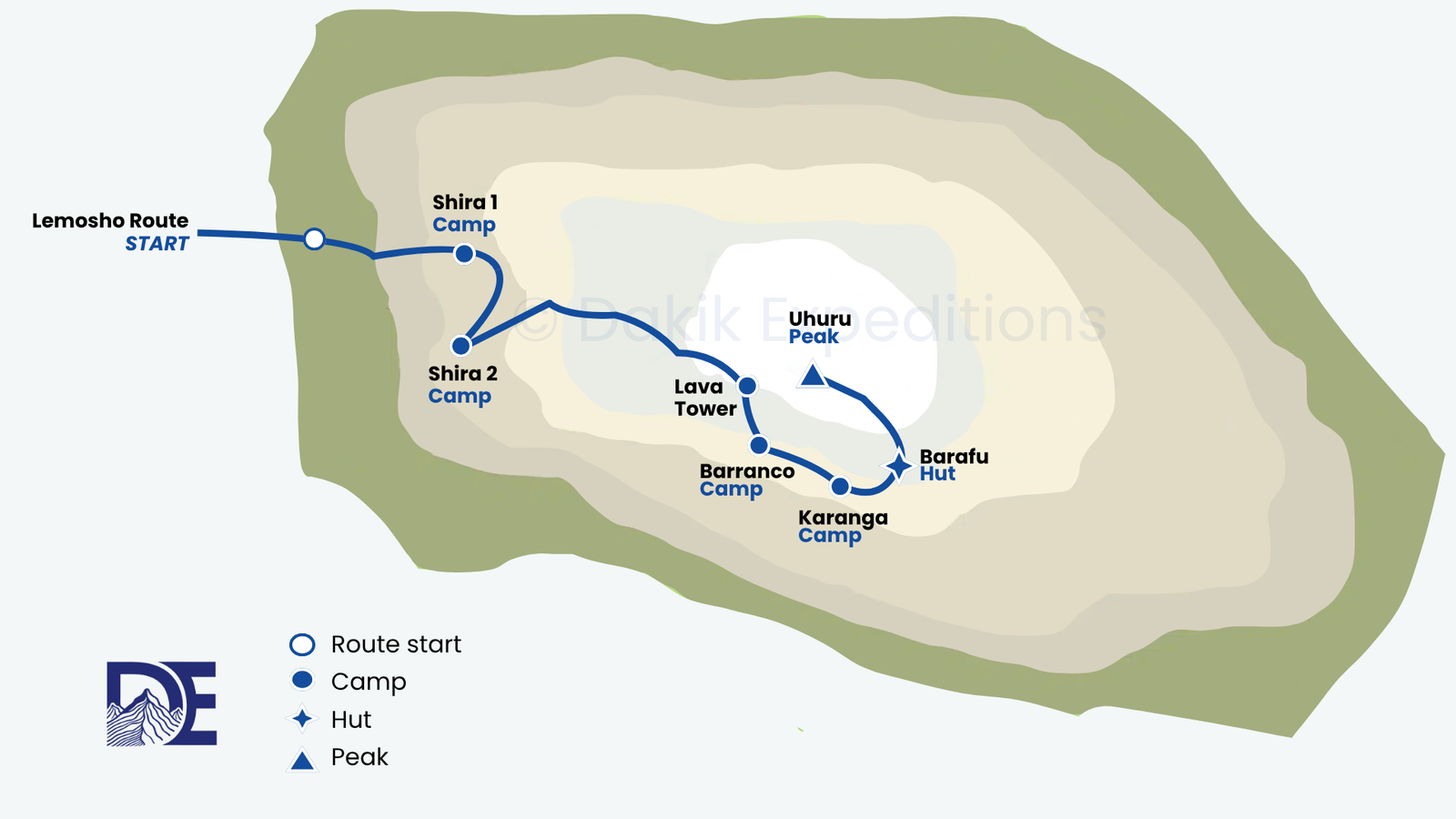
You start on the quiet western side of the mountain, far from the crowds, in a stretch of forest where buffalo and colobus monkeys still roam. From there the trail opens up onto a vast highland plateau with wide open skies and your first proper views of the summit. You then follow the southern circuit past glaciers and dramatic ridgelines before your final push to Uhuru Peak.

No other route shows you as much of the mountain. If you are going to climb Kilimanjaro once, Lemosho is the route that makes sure you remember every part of it.
Lemosho route is best for you if you:
  • You want the best possible chance of reaching the summit.
  • You are climbing Kilimanjaro for the first time and want to do it right.
  • You prefer starting away from the busy main trailheads.
  • You want to see wildlife, glaciers and a high plateau all in one trip.
  • You are happy to take an extra day or two in exchange for a better experience.

Pricing & What’s Included?

Essential

$ 2,750 per person
  • 3-4 star accommodation in Arusha
  • All meals on the mountain
  • Portable toilet at the camps
  • Professional Tanzanian mountain guides
  • Private porter service
  • Mess tent for eating and resting
  • Four season mountain sleeping tents
  • 2 climbers for every 1 guide
  • Daily water for washing
  • Traditional Swahili and international dining experience
  • Extra comfort features in Elite

Elite

$ 3,500 per person
  • 5 star accommodation in Arusha
  • All meals on the mountain
  • Portable toilet at the camps
  • Professional Tanzanian mountain guides
  • Private porter service
  • Lebanese culinary dining experience
  • Spacious standing expedition tent
  • Mess tent for eating and resting
  • Portable sleeping bed with mattress
  • 1 dedicated guide per climber
  • Hot shower every day on the mountain
  • Portable solar charging station

Your Lemosho Itinerary

Eight days on the mountain, each one different from the last.

You start at Londorossi Gate and walk into a dense mountain rainforest. The trail is shaded and relatively gentle. Keep your eyes open as this is the most likely part of the route to spot wildlife including colobus monkeys and buffalo.

Duration: 5-6 hours  Elevation: 2,100m to 2,750m

The trees thin out and the landscape opens up completely. You step onto the Shira Plateau for the first time, a wide open highland with big skies and your first clear views of Kibo, the main summit cone of Kilimanjaro.

Duration: 5 hours  Elevation: 2,750m to 3,500m

A full day walking across the plateau toward the eastern edge. The altitude starts to make itself known here and the pace slows naturally. The views back across the plateau on a clear day are some of the best on the entire route.

Duration: 5 hours  Elevation: 3,500m to 3,840m

This is an important day. You climb up to 4,630m at Lava Tower, a striking volcanic rock formation, then descend to camp lower at Barranco. That drop in altitude before bed is deliberate and plays a big role in helping your body adjust before the summit push.

The morning starts with a climb up the Barranco Wall, a steep rocky cliff where you use your hands and feet to get up. It is the most physical section of the route but most people say it is their favourite part of the whole climb. After that the trail levels out through a quieter valley.

Duration: 7 hours  Elevation: 3,840m to 4,630m to 3,950m

A steady and serious day as you gain significant altitude on the way to Barafu Camp. This is your last full night of sleep before the summit attempt. Rest, eat and get everything ready. Tomorrow is the big day.

Duration: 5 hours  Elevation: 4,000m to 4,600m

You set off in the early hours, usually around midnight, to reach the summit at sunrise. It is a long, cold and slow climb but when you step onto Uhuru Peak at 5,895m with the sun coming up over Africa, it makes every day before it worthwhile.

Duration: 12 hours  Elevation: 4,600m to 5,895m to 3,100m

The hard part is done. You descend through the heath and moorland zones to Mweka Gate where the trip officially ends. Most people feel a strange mix of exhaustion and pride. Both are well earned.

Duration: 3 hours  Elevation: 3,100m to 1,640m

Lemosho Route FAQ

Yes, but it does require a reasonable level of fitness. You do not need any technical climbing experience or specialist skills. What matters most is that you can walk for five to seven hours a day over uneven terrain for several days in a row. If you exercise regularly and have done some hiking before, Lemosho is absolutely achievable.

The two main climbing seasons are January to March and June to October. The clearest skies and most stable conditions tend to fall between July and September, which is also the busiest period. January and February are a good alternative if you want fewer people on the trail. Avoid April, May and November when heavy rainfall makes the route significantly harder and the views are often lost to clouds.

Altitude sickness happens when your body does not get enough oxygen at high elevation. Symptoms can include headaches, nausea, fatigue and dizziness. Almost everyone feels some degree of it above 3,500m. Lemosho is one of the better routes for managing it because the gradual ascent and extra days give your body more time to adapt. There is no way to predict in advance who will be affected, which is why going slowly and staying hydrated matters more than how fit you are.

You cannot climb Kilimanjaro without a registered guide, but you do not need to join a group to do it. We offer private climbs where it is just you and your guide and support team, as well as small group departures if you prefer company on the trail. Private climbs move at your pace and work around your schedule. Group climbs are a good option if you are travelling solo and want to share the experience with other people.

Lemosho is quieter than Machame and Marangu, which are the two most trafficked routes on the mountain. The remote western starting point means the first two days in particular feel very peaceful. It does get busier from day three onward where it joins the southern circuit, but even then it is manageable. If you climb between January and March you will find noticeably fewer people on the trail.