Safety is one of the first questions almost every first-time visitor asks, and it's a fair one. Tanzania is a safe, well-established safari destination, but "safe" means something specific here, worth understanding rather than just taking on faith.
Is Tanzania generally safe for tourists?
Yes. Tanzania has a long-established, mature tourism industry built specifically around hosting international visitors, and the areas most tourists visit, safari parks, Zanzibar, Kilimanjaro, are well set up for it. As with travel anywhere, ordinary precautions apply: being aware of your belongings in busy areas, using reputable transport, and following the guidance of your guides and operator.
Is it dangerous to be close to wild animals on safari?
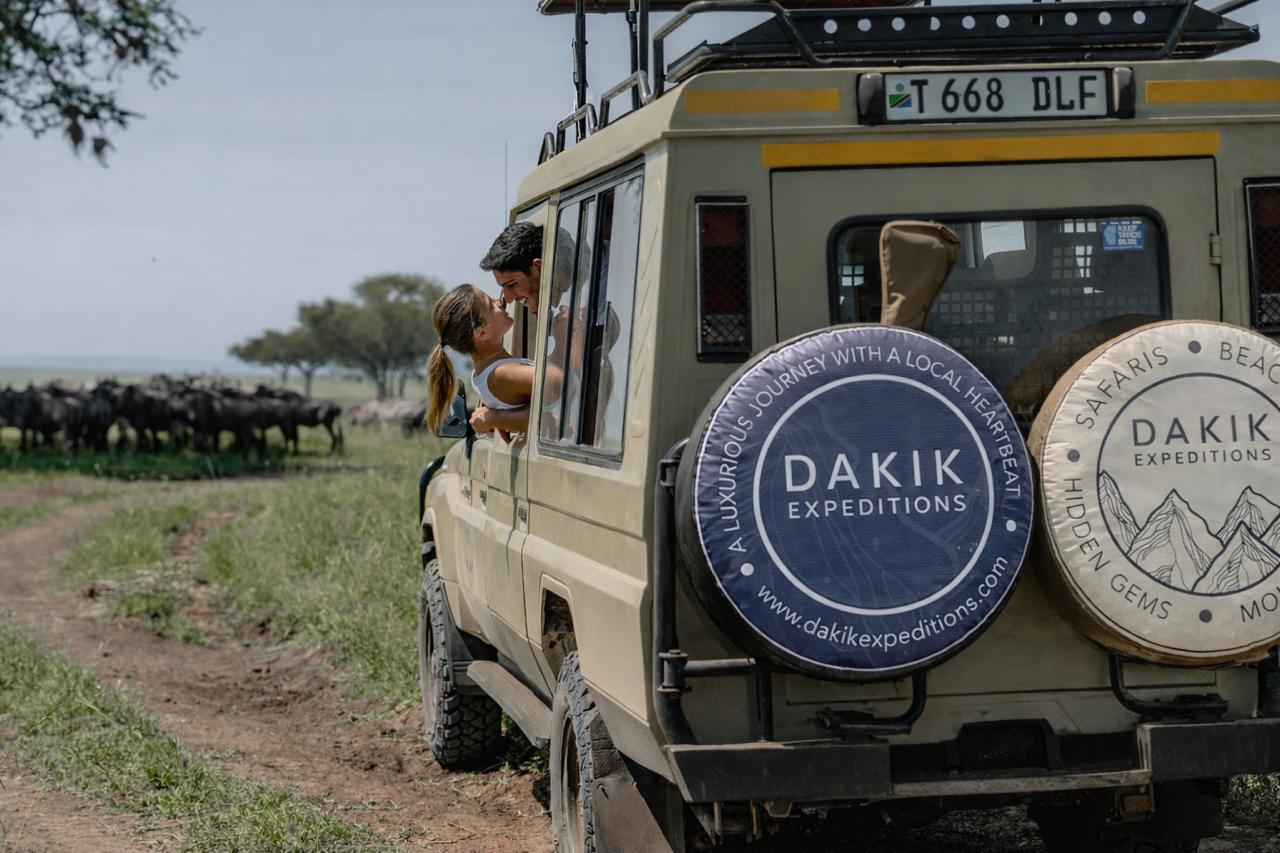
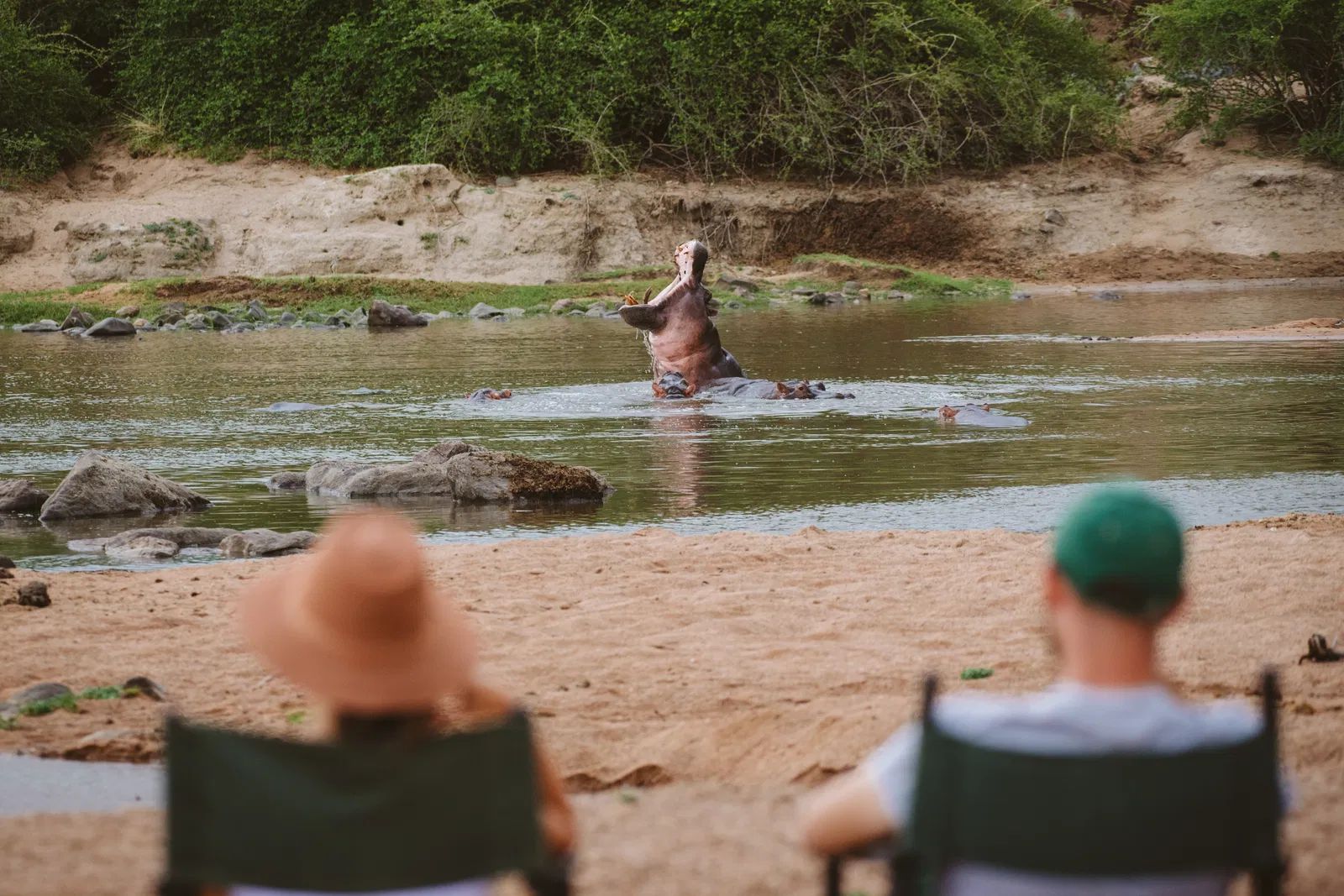
Wildlife viewing on safari is designed around maintaining safe distances, whether from inside a vehicle or on a guided walk. Guides are trained to read animal behavior and keep a safe buffer at all times, and serious incidents involving tourists are rare precisely because this structure exists. The animals aren't hunting vehicles or ignoring guides by accident, this is a well understood, well managed system that's been refined over decades of tourism in the region.
What about disease risk, like malaria?
Malaria is present in parts of Tanzania, and it's worth discussing antimalarial medication with your doctor before travel, along with any other destination-specific health guidance. This is a standard precaution for the region, not a Tanzania-specific concern, and most visitors take it seriously as routine trip preparation rather than something to worry about excessively.
Is drinking water safe?
Tap water isn't recommended for drinking in most of Tanzania. Bottled or properly filtered water is standard practice throughout the country, and reputable camps and lodges provide this as a matter of course. This is a simple precaution, not a significant risk, provided you stick to it consistently.
How does guide experience factor into safety?
This matters more than almost anything else on a safari. An experienced guide isn't just there for narration, they're actively managing distance from wildlife, reading animal behavior, and making real-time decisions that keep the group safe. This is one of the clearest reasons operator choice matters beyond price or itinerary, a guide's judgment is doing a lot of quiet work throughout every day of the trip.
Is it safe to travel to Tanzania as a solo traveler, or as a woman traveling alone?
Tanzania sees solo travelers regularly, including women traveling alone, and the structured nature of most safaris, guided vehicles, established camps, fixed itineraries, means much of the trip involves less independent navigation than backpacking-style travel elsewhere might. Ordinary travel awareness still applies, as it would anywhere, but solo travel to Tanzania is common and well supported by the existing tourism infrastructure.
What can you do to make a trip feel safer, practically speaking?
- Book with an established, reputable operator rather than the cheapest available option
- Follow your guide's instructions during wildlife encounters without exception, especially around distance and vehicle exits
- Take standard health precautions seriously, antimalarials, water safety, sun protection
- Keep copies of important documents, passport, visa approval, travel insurance, separate from the originals
- Purchase travel insurance that covers medical evacuation, given the remote nature of some parks
So how should you actually think about safety here?
Tanzania's safari industry is safe specifically because it's built around structure, experienced guides, established routes, and decades of refined practice, not because wildlife is somehow less wild. Respecting that structure, rather than treating it as optional, is really the entire safety equation for most visitors.
"Tanzania's safari industry is safe specifically because it's built around structure, not because wildlife is somehow less wild."
Dakik Team