Tanzania has two distinct safari regions, and most first-time visitors only ever hear about one of them. The northern circuit, Serengeti, Ngorongoro, Tarangire, and Lake Manyara, gets the vast majority of safari marketing and visitor traffic. The southern circuit, anchored by Ruaha and Nyerere National Park, sees a fraction of the visitors despite offering a genuinely different experience.
Why is northern Tanzania so much more popular?
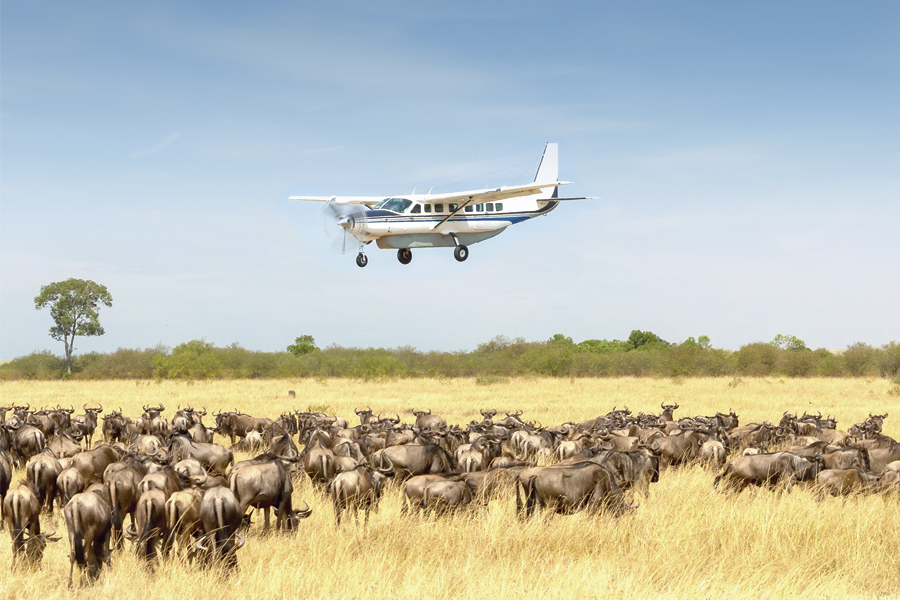
The north is home to the Great Migration, the Ngorongoro Crater, and the highest concentration of predators anywhere in East Africa, all packed into a relatively compact, well-developed area with good roads and short distances between parks. This makes it logistically easier to see a lot in a short trip, which is a big part of why it dominates safari itineraries and why most people's mental image of a Tanzania safari comes from this region specifically.
What does the Serengeti and Ngorongoro combination actually offer?
Rather than choosing between them, most northern itineraries include both, since they sit close together and offer different things. Ngorongoro Crater is a compact, self-contained ecosystem with an unusually dense concentration of wildlife in a small area, strong for guests with limited time who want a high chance of seeing predators in a single day. The Serengeti offers vastly more space, the open plains, the migration corridors, and a sense of scale the crater can't match. Together they cover both density and vastness in one trip.
What makes the southern circuit different?
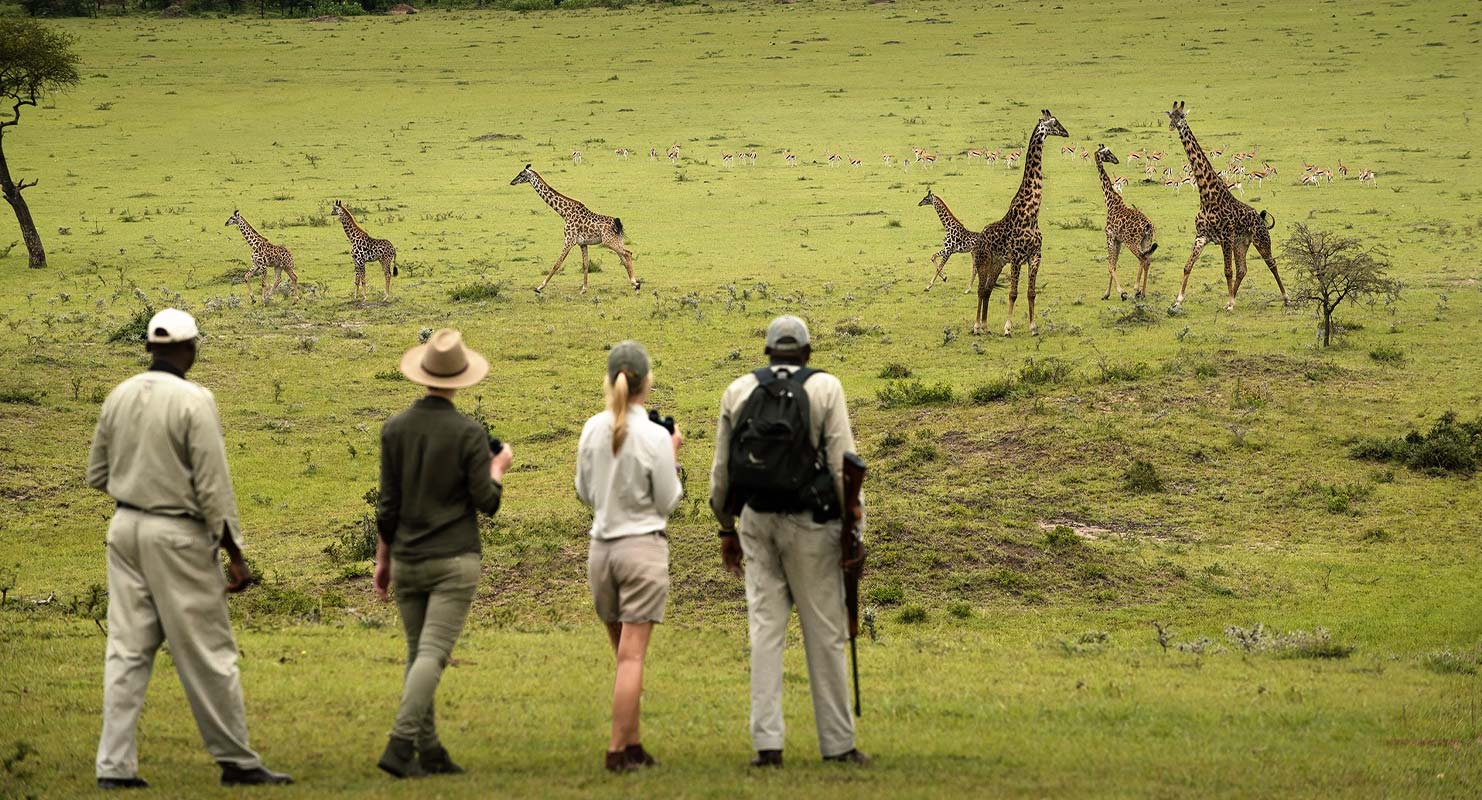
Ruaha and Nyerere are significantly larger and far less visited than their northern counterparts, which changes the entire feel of a safari. Wildlife sightings often happen with no other vehicles around, a genuinely different experience from busier northern parks during peak season. The terrain feels wilder and more untouched, and activities like walking safaris and fly camping are more commonly available here than in the more regulated northern parks.
Is wildlife density lower in the south?
Not necessarily lower, but more spread out. The south's parks are large enough that wildlife isn't concentrated the way it is in Ngorongoro's compact crater, so sightings can take longer to find but often feel more earned and more private once you do. Predator populations in Ruaha specifically are strong, including some of the largest lion prides in Tanzania, they're just distributed across far more terrain.
Is the south more expensive than the north?
Generally, no, the south is often the more affordable option. Park fees tend to be lower than the north's more heavily trafficked parks, and once there, costs are comparable or lower overall. The south is also a natural fit for anyone building a trip around the coast: Ruaha and Nyerere are far closer to Zanzibar and the southern islands than the northern circuit is, which makes it easy to pair a short, high quality safari with beach time, without the longer transfer or flight the north usually requires from the coast. For guests who want a safari as part of a beach focused trip rather than the main event, the south is often the simpler and more affordable route.
So which region should you choose?
If this is a first Tanzania safari, or the trip includes the migration or a tight timeline, the north is usually the stronger choice, more wildlife variety in less time, in a well established tourism infrastructure. If you're combining safari with beach time, want a quieter experience with fewer vehicles, or are working with a more modest budget, the south is genuinely worth considering, not as a compromise, but as a better fit for a different kind of trip. Several of our guests do both across separate visits rather than trying to combine them into one, since they offer different kinds of experiences rather than a better or worse version of the same thing.
"They offer different kinds of experiences rather than a better or worse version of the same thing."
Dakik Team