Kilimanjaro can technically be climbed year round, but conditions vary enough by month that timing genuinely affects the experience, not just the views, but trail conditions, crowd levels, and how comfortable the climb feels overall.
What are the two main dry seasons for climbing?
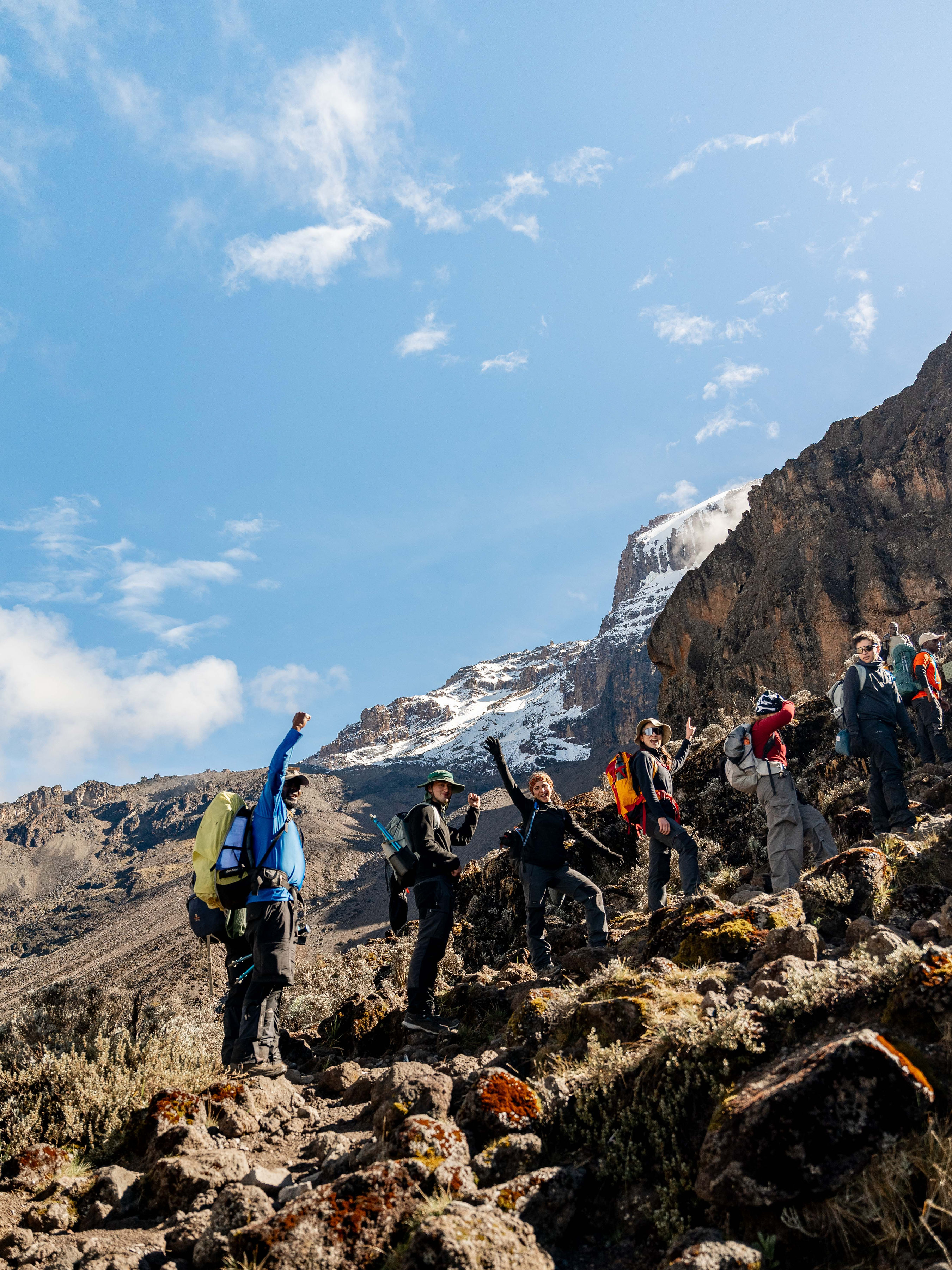
Kilimanjaro has two distinct dry windows: late June through October, and January through early March. Both offer the clearest skies, driest trails, and most stable weather for summit night, which is why the vast majority of climbs happen during these two stretches.
How do the two dry seasons differ from each other?
June through October is the busier of the two, overlapping with school holidays and general peak travel season, so camps and trails see significantly more traffic. January through early March is quieter and often warmer, with less foot traffic on the mountain, though it's a shorter window before the long rains begin in mid-March.
What happens during the rainy periods?
Mid-March through May marks Tanzania's long rains, generally considered the least favorable window for climbing. Trails become muddy and slippery, cloud cover frequently blocks summit views, and the overall experience is simply harder and less rewarding for the effort involved. A shorter rainy period also falls in November, though it's typically less intense and shorter lived than the March to May stretch.
Is it ever worth climbing during the rainy season?
For most climbers, no, the added difficulty and reduced visibility aren't worth it. That said, a small number of experienced climbers deliberately choose the quieter rainy months specifically for the solitude, near empty trails and camps, in exchange for tougher conditions and no guaranteed summit views. This isn't a climb we'd generally recommend for a first attempt.
Does the month affect summit night specifically?
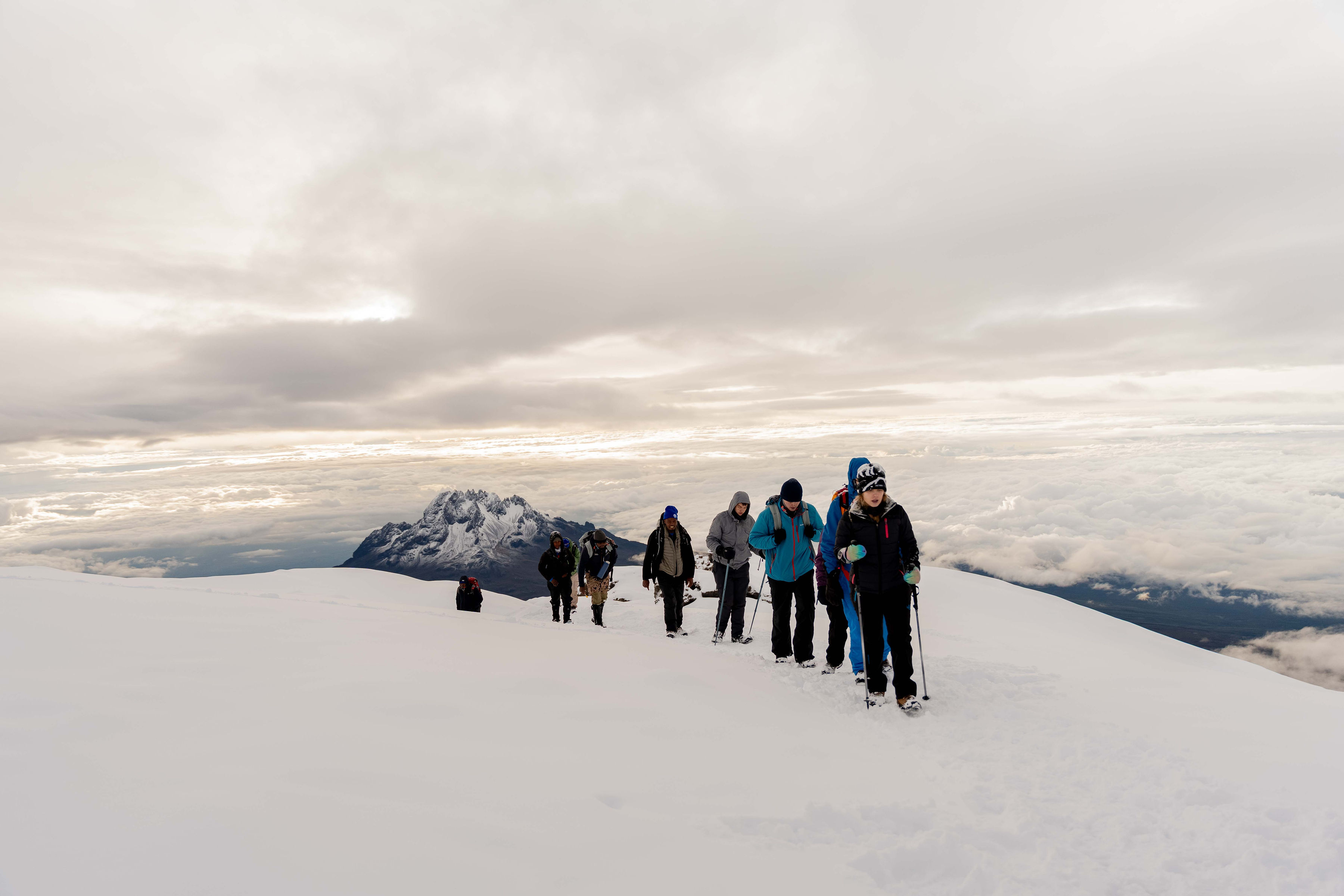
Yes, indirectly. Clear skies during the dry seasons mean better visibility and generally more stable temperatures on summit night itself, while cloud cover and precipitation during the rains can make an already difficult night meaningfully harder and colder. For a climb this physically demanding, stacking conditions in your favor matters.
"For a climb this physically demanding, stacking conditions in your favor matters."
Dakik TeamSo when should you actually go?
For the most reliable conditions, June through October or January through early March are the strongest choices. If avoiding crowds matters more than convenience, January through early March offers similar dry conditions with noticeably fewer people on the trail. Outside of these windows, the long rains from mid-March through May are worth avoiding for most climbers, and the shorter November rains are worth checking against your specific travel dates before committing.