Machame and Lemosho are the two most commonly recommended routes up Kilimanjaro, and for good reason. Both offer strong acclimatization profiles and genuinely beautiful scenery, which is why most operators steer first-time climbers toward one or the other. The differences between them are real, but they're differences of degree, not one being clearly better than the other.
How long does each route take?
Machame is typically climbed over six or seven days. Lemosho is typically climbed over seven or eight days, though a seven day Lemosho itinerary usually gets there by combining two camps into a single day, which adds extra distance and fatigue to that day. If seven days is the timeline you're working with, it's worth asking whether that shortened Lemosho is actually the better choice, or whether a standard seven day Machame gets you the same trip length without the added strain of a combined day. The full eight day Lemosho, with each camp kept separate, is where the route's acclimatization advantage really shows up. A compressed seven day version gives up some of that benefit while still costing an extra day compared to Machame.
How busy is each route?
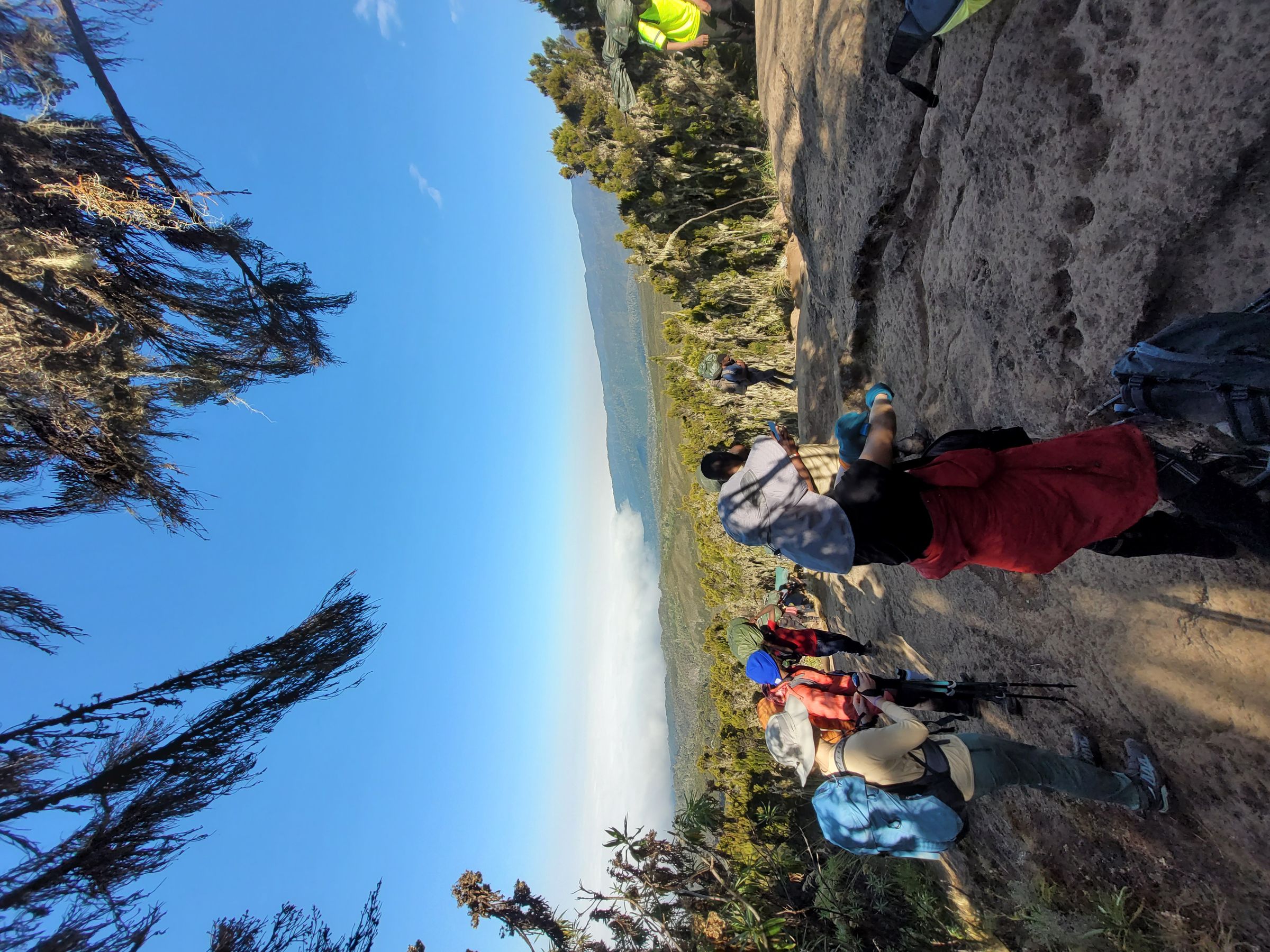
Machame is the most popular route on the mountain, which means more climbers on the trail and more crowded camps, particularly in peak season. Lemosho starts from a more remote trailhead on the western side of the mountain and sees noticeably fewer climbers, especially in its first two or three days, before it merges with the Machame route higher up. For guests who want a quieter start to the climb, Lemosho has a real edge here.
Which route has better scenery?
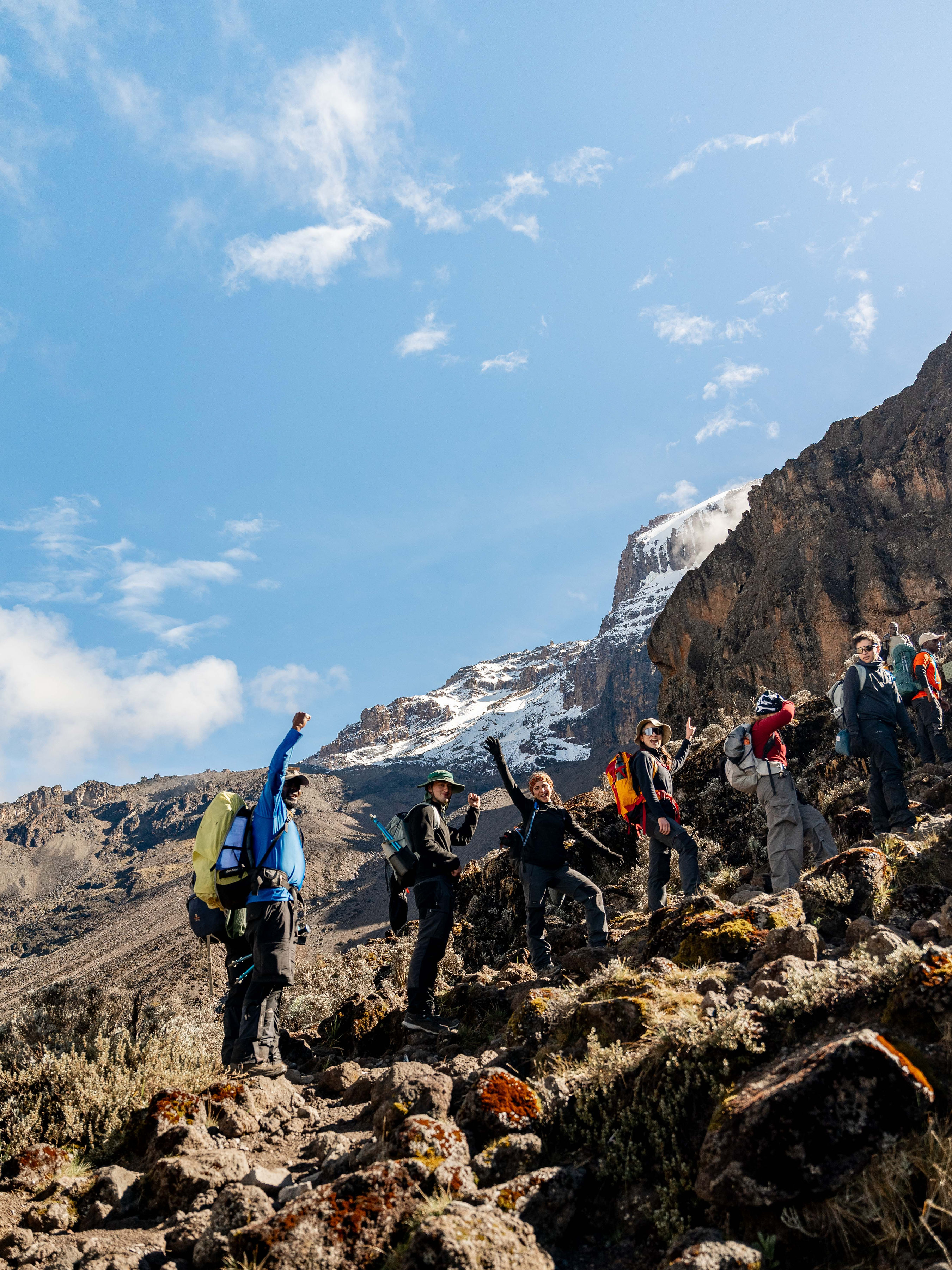
Both routes pass through Kilimanjaro's dramatic range of ecosystems, rainforest, moorland, alpine desert, and finally the summit zone, but Lemosho's extra days and western approach give it a slight edge in variety, including views across the Shira Plateau that Machame climbers don't see. Machame's Barranco Wall, a steep but non-technical scramble on day three or four, is one of the more memorable single stretches on either route.
Which route gives better acclimatization?
This is where the full length Lemosho generally has the advantage. More days at altitude, combined with a gentler average daily ascent, mean the body has more time to adjust before summit night. Machame can still be climbed successfully by well-prepared, reasonably fit climbers, but its shorter timeline leaves less room for error if someone is struggling with the altitude partway through.
Which route has a higher success rate?
Industry-wide, routes with more days at altitude consistently show higher summit success rates, and the full eight day Lemosho reflects that. This doesn't mean Machame has a low success rate. It means a properly spaced Lemosho gives a slightly larger margin for climbers who are less certain how their body will handle altitude.
So which route should you choose?
Machame tends to suit climbers who are reasonably fit, comfortable with a faster pace, and less concerned about trail traffic. The full eight day Lemosho suits climbers who want the best realistic chance at summiting and more solitude on the lower slopes, and are willing to add an extra day to get it properly. If you're working with a seven day window specifically, it's worth comparing a standard Machame against a compressed Lemosho rather than assuming Lemosho is automatically the stronger option. Sometimes it's just extra tiredness for no real gain.
"Neither route is the wrong choice for a properly prepared climber with a good guide."
Rawan DakikNeither route is the wrong choice for a properly prepared climber with a good guide. The right one depends on how much time you have, how much company on the trail you're comfortable with, and how much margin you want built into your acclimatization schedule.