Safari packing is a different exercise from packing for Kilimanjaro. There's no porter weight limit to worry about, and the climate is generally warmer and more consistent, but there are still specific things that make a real difference once you're actually in a vehicle for hours at a time, dusty roads, early starts, and long days in the sun.
What clothing actually works on safari?
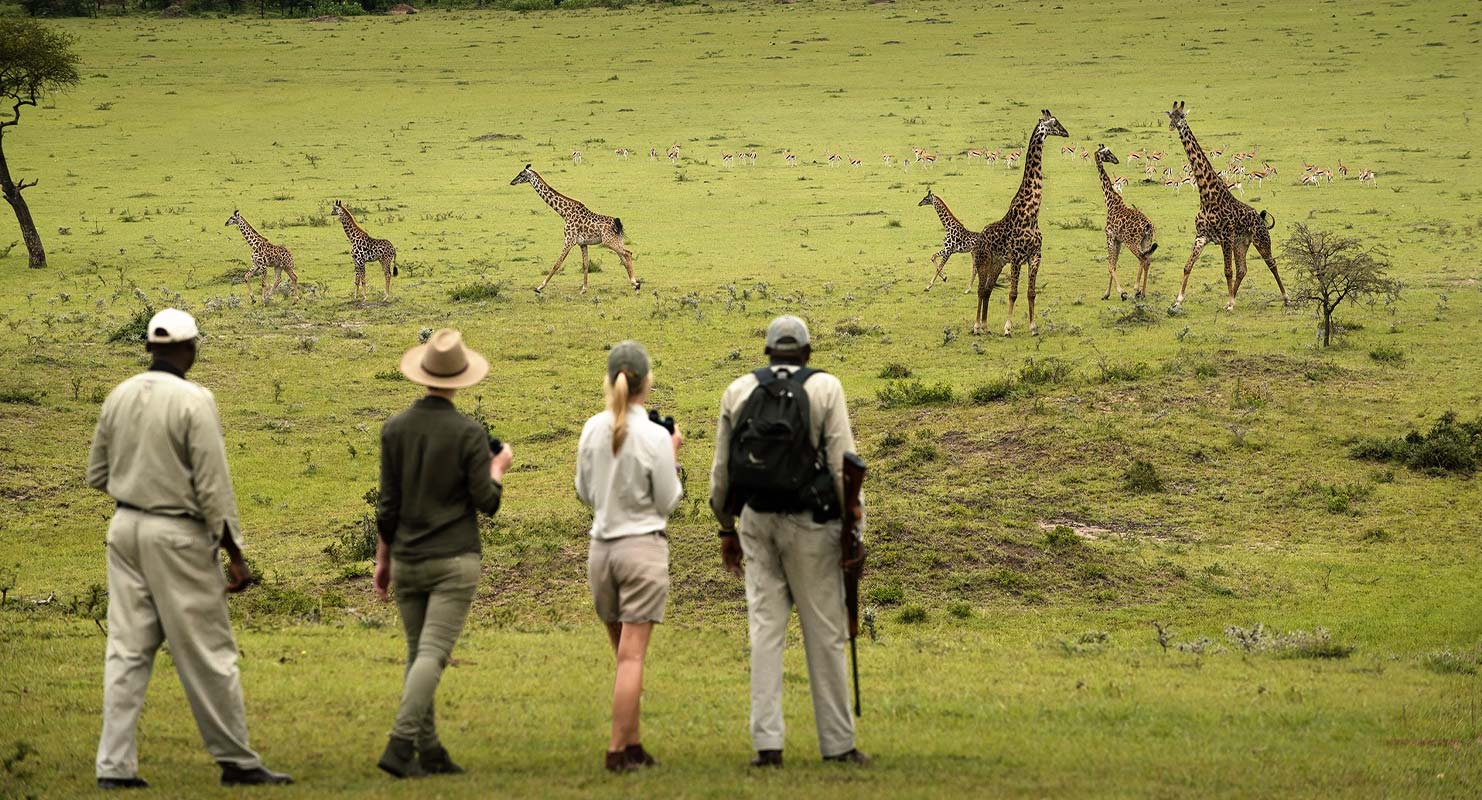
Neutral, muted colors, khaki, olive, tan, work better than bright colors or white, which show dust quickly and can be more noticeable to wildlife. Lightweight, breathable fabrics handle the daytime heat, while a warm layer matters more than people expect for early morning game drives, which start before sunrise and can be genuinely cold until the sun is up. Long sleeves and long pants help with both sun exposure and insects, even in warm weather.
Do you need to avoid certain colors specifically?
Yes, one color is worth avoiding directly: dark blue and black attract tsetse flies in certain areas, particularly in wooded regions like parts of Tarangire and the Selous ecosystem. Tsetse fly bites are genuinely unpleasant, so it's worth checking your clothing colors against this before packing, not just going with what looks good for photos.
What footwear makes sense?
Comfortable, closed-toe shoes for walking safaris or camp walks, and something easy to slip on and off for long hours in the vehicle. Safari days involve far less walking than a Kilimanjaro trip, so heavy hiking boots usually aren't necessary unless a walking safari is specifically part of your itinerary.
What gear is actually worth bringing?
- Binoculars, a good pair makes a real difference for spotting and appreciating distant wildlife, and it's worth having your own rather than relying on a shared pair
- A camera with a zoom lens if photography matters to you, phone cameras struggle with distant wildlife
- A dry bag or protective case for electronics, dust on safari roads gets into everything
- A reusable water bottle, most camps provide filtered water for refills
- A basic first aid kit with any personal medication, plus insect repellent and sunscreen
What should you pack for early morning and evening drives specifically?
A proper warm layer, a fleece or light jacket, is one of the most commonly underestimated items. Early morning game drives in an open vehicle can feel genuinely cold before sunrise, even though the day will warm up significantly by mid-morning. Guests who pack only for daytime heat are often surprised by this.
"Guests who pack only for daytime heat are often surprised by this."
Dakik TeamWhat don't you need to bring?
Camouflage clothing isn't necessary and is actually restricted for civilians in some African countries, so it's best avoided entirely. Heavy, bulky luggage is also worth skipping, most camps and lodges have laundry service, so packing for a full two weeks of outfits usually isn't necessary even on longer trips.
How is this different from packing for a Kilimanjaro climb?
There's no porter weight limit to plan around, no summit night cold to prepare for, and no multi-day trek with the same clothing repeatedly. Safari packing is closer to warm-weather travel with a few specific additions, neutral colors, a warm layer for early mornings, and good optics, rather than the technical layering system a packing for a Kilimanjaro climb requires.