A walking safari is often talked about as if it's an alternative to a vehicle safari, something you choose instead of the more familiar Land Cruiser experience. In reality, it's closer to an activity you add into a trip you're already on, similar to a balloon safari or a night drive, rather than a separate kind of safari altogether.
Is a walking safari a replacement for a vehicle safari?
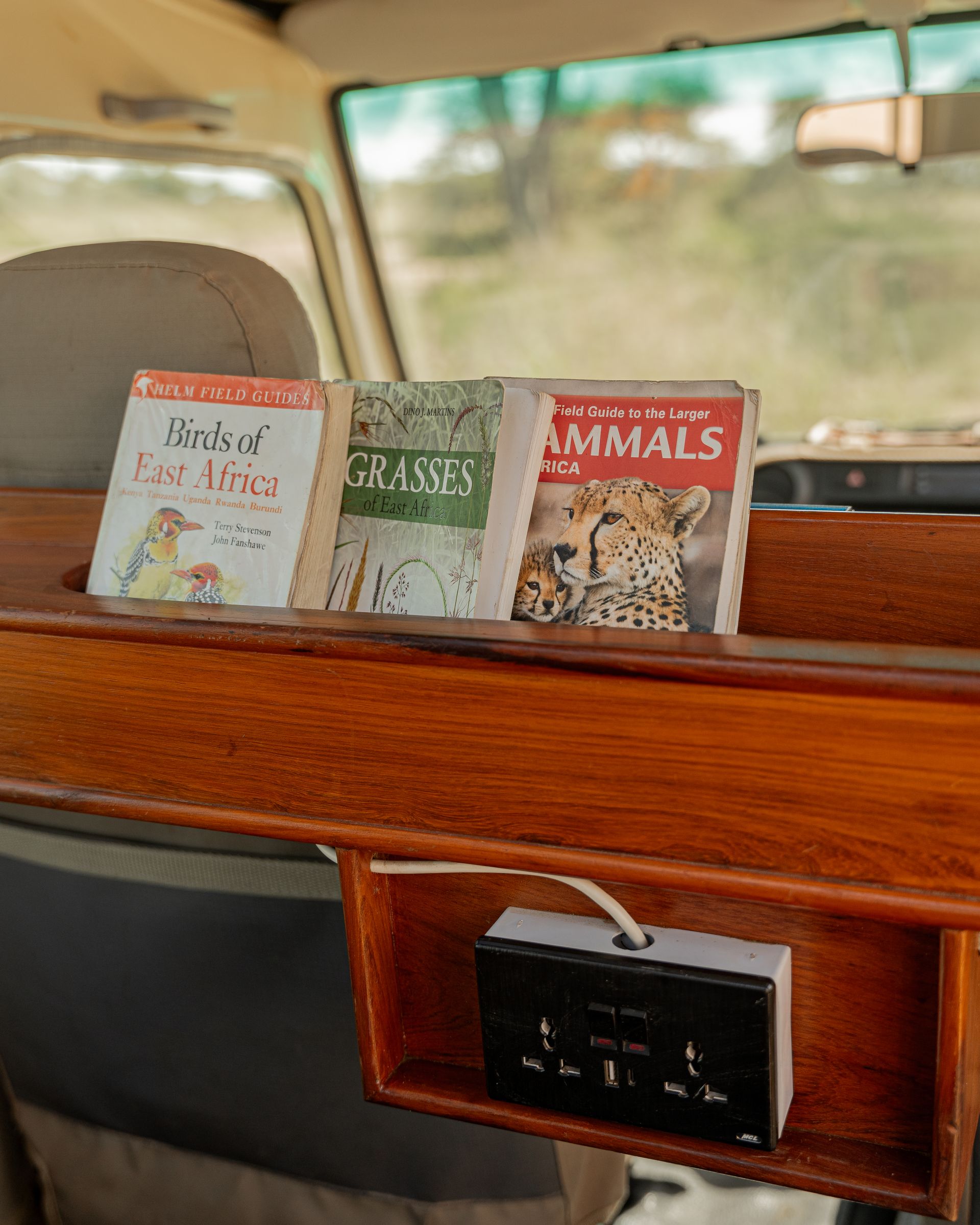
No, and this is the most common misunderstanding. In almost every park where walking safaris are offered, you're already on a vehicle-based safari, staying at a camp you reached by vehicle, doing game drives as the main activity, with a walking safari added in as a shorter, specific experience during your stay. The two aren't competing options, the walking safari is one piece of a trip built around vehicle safaris.
Where can you actually do a walking safari in Tanzania?
Walking safaris are more available in the southern parks like Ruaha and Nyerere, where regulations are less restrictive than in the north. Even there, they're typically offered as a guided activity of a few hours, arranged from a camp you're already staying at as part of a normal vehicle-based itinerary. The one real exception is Arusha National Park, which is one of the only places in Tanzania where you can do a standalone walking safari as its own activity, without needing to be on a broader vehicle safari, since the park has a lower risk profile with no lions present.
What actually happens on a walking safari?
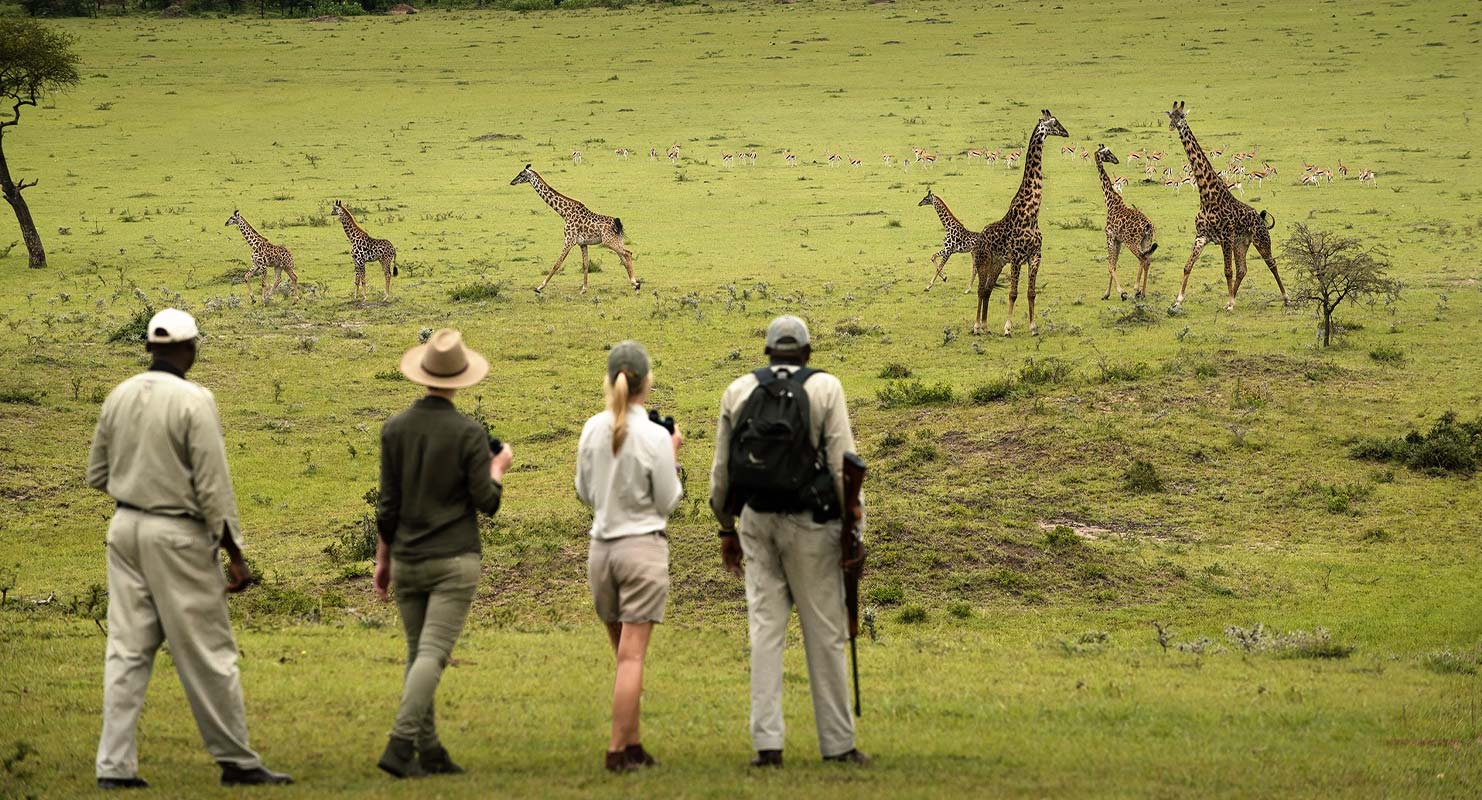
Moving on foot, guided by an armed ranger and tracker, shifts your attention to the smaller details a vehicle moves past, tracks, dung, insect activity, bird calls, the small signs experienced guides read constantly. Wildlife encounters on foot happen at a greater distance for safety reasons, since there's no vehicle acting as a buffer, but they carry a different weight, since you're a physical part of the landscape rather than observing it from inside a vehicle.
"You're a physical part of the landscape rather than observing it from inside a vehicle."
Dakik TeamIs a walking safari physically demanding?
Not extremely, for most guests. Walks are typically paced for a general fitness level rather than a serious hike, a few hours at a comfortable pace, but it does mean actually walking in bush terrain, sometimes in heat, which is a different physical experience than a day spent in a vehicle.
Should you add a walking safari to your itinerary?
If your trip includes a southern park like Ruaha or Nyerere, it's worth adding in as a change of pace partway through your stay, a few hours that shift the experience from watching the landscape to being inside it. If you're specifically drawn to trying a walking safari as its own standalone activity without a broader vehicle safari attached, Arusha National Park is really the only place in Tanzania set up for that.